
Recruiter Read Your Application but Never Replied? Fix the Signal, Not the Volume
Recruiter Read Your Application but Never Replied? Fix the Signal, Not the Volume

You applied on a US job board on a Tuesday evening. Two days later the platform shows that a recruiter opened your application, opened your email, and never wrote back. You check the status page again on Friday, then again on Monday, and start wondering whether something in your background is the problem.
Here is the part that is easy to miss: a read receipt records an action, not a verdict. Recruiters in the US and UK are usually working through a queue that was assembled before you arrived, and your application is competing with several other files for a small number of interview slots. Nothing about your background was rejected. A busy recruiter simply ran out of attention before they got to yours.
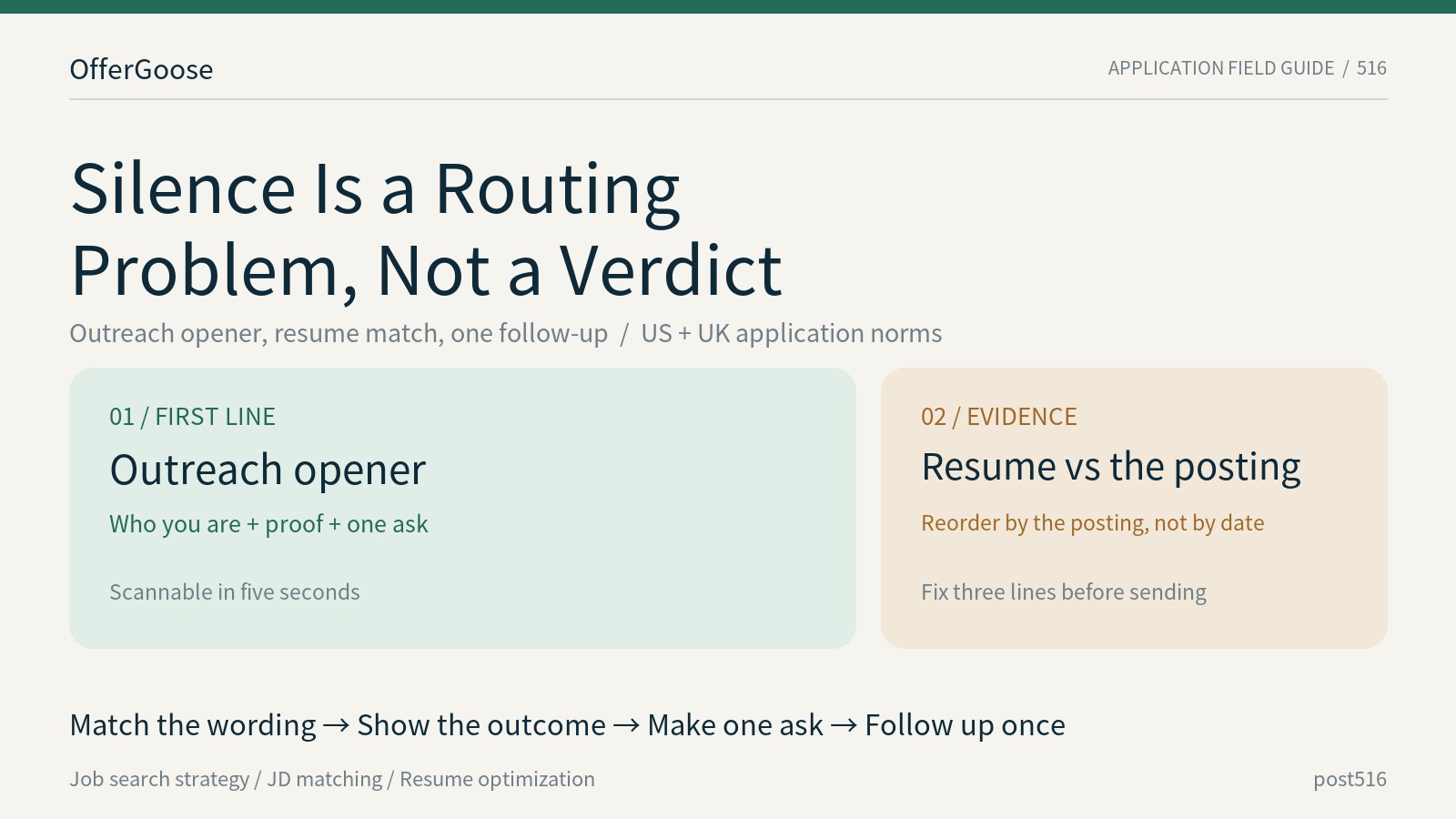
What you can change is the amount of work required to understand why you are worth a reply. That means three things: a first line that identifies you against their requirements, a resume whose language matches the posting, and one follow-up that adds information instead of asking for attention.
Everything below assumes you are describing work you actually did. No tactic here involves inventing experience, and none of it substitutes for the reading, judgment, and evidence that get you hired.
A Read Receipt Is an Action, Not a Verdict
Four states behind a silent inbox
Before you redesign anything, name the likely state behind the silence. The posting may still be live because the hiring team has already filled the role and someone forgot to close it, or because the requisition doubles as a talent pipeline for a future opening. It may be a re-post of a job that is also being sourced through an agency or an internal referral, which splits the candidate pool in ways you cannot see from the outside. And it may simply be triage: a recruiter who opened forty applications on a phone between meetings will advance a handful and leave the rest.
Advocacy resources such as Ask a Manager treat a non-reply as one of several ordinary outcomes in a hiring week, which is a healthier frame than treating it as a verdict on your worth.
Volume is not a strategy
The common advice is to apply to more roles. Applied blindly, that advice mostly multiplies the number of identical files entering the same queue. Sixty applications built from one generic resume are sixty chances to look exactly like the applicant who applied yesterday.
The American hiring process adds a specific filter. Most US employers route applications through an applicant tracking system, and some public-sector employers post exclusively through federal job boards such as USAJOBS, where the same keyword expectations apply. If your resume never uses the vocabulary of the posting, a human may never see it at all.
US and UK channels want different openings
Channel matters more than people expect. On a Chinese-language chat platform, a recruiter decides quickly from a short message; an equivalent habit does not exist on a US job board, where a cold application usually arrives as a small email or a form submission. Writing “Dear Hiring Manager, I am writing to apply” reads as empty to an American recruiter, and it reads as equally empty to a UK one, who may be working from the National Careers Service guidance that short, specific applications perform better than long ones.
So do not translate your Chinese opening line into English and send it. Rewrite it for the channel you are actually in.
Rewrite the First Line of Your Outreach
A four-part structure that survives a five-second scan
A workable outreach line has four parts: who you are, the requirement from their posting that you meet, one concrete proof point, and one easy ask.
That order matters. A recruiter scanning an inbox needs the classification first, the evidence second, and the request last. Burying the evidence behind a paragraph of enthusiasm is the most common reason good candidates get filtered out.
Three openings for three situations
Direct experience. “I am applying for the RevOps Manager role listed on Wednesday. I have run the same migration for three years at a 40-person payments company, and I owned the ticketing workflow you mention in the second paragraph. Could I send a resume tailored to your posting?”
Career switcher. “I have five years in field sales and am moving into account operations. Your posting asks for renewal ownership; I did the retention side of that job, including the quarterly review cadence. Would a short call help you judge the transfer?”
New graduate. “I am a final-year student studying supply chain management, and my dissertation used the same cohort-segmentation approach your posting describes. Happy to share the write-up and my resume if that is useful.”
Keep each one to the same shape: short, specific, and ending in a request the other side can answer with one word. Numbers inside these examples are illustrative; replace them with figures you can defend if someone asks how you counted them.
Lines worth deleting
Delete openers that describe your temperament instead of your record: “I am a hard worker,” “I am passionate about your industry,” “I am writing to express my interest in the position advertised.” Delete the paragraph that repeats the job description back to the employer. And do not attach three versions of a resume to a cold application, because nobody triages three files on a phone.
Align the Resume With the Job Description
Break the posting into three layers
Sort every requirement into three buckets. The first bucket is hard requirements: degree, work authorization, language ability, years of experience, certifications. The second is the daily work, usually three to five responsibilities. The third is implied expectation, the thing a hiring manager assumes someone in that seat already does, such as running a weekly pipeline review or keeping a forecast current.
The first bucket decides whether you enter the pool at all, so be honest about gaps and address them directly in your cover note. The second bucket decides what belongs in the first third of your resume. The third bucket decides which evidence to lead with, and it is where most applicants lose points simply because nobody translated their experience into the employer’s language.
Let the first third of the resume do the screening
Reorder rather than append. Move the two experiences closest to the posting to the top, compress anything unrelated, and replace responsibility lists with a method and an outcome: not “supported regional accounts” but “rebuilt the weekly outreach sequence for 30 regional accounts and reduced unanswered follow-ups.” Never invent a figure you cannot source; scale, workflow, and turnaround are equally credible and far easier to defend.
Your resume headline is also a filter signal. “Operations Manager, Chicago, reduced order backlog” tells a skimming recruiter far more than “Seeking new opportunities.”

Run a diagnosis instead of guessing
The hardest part of tailoring is knowing which line to change first. A matcher can compare the posting against your own document and surface the duties you already cover but never wrote down, which is usually where the quick wins sit. The UK’s career guidance and the US federal hiring ecosystem both reward application quality that can be checked against the written requirement, and diagnostics give you that list before you send anything.
One Application, Before and After
The following is a composite teaching example built from common patterns. It is not a client testimonial and does not represent a hiring outcome.
The generic version
Before:
Dear Hiring Manager, I am writing to apply for the RevOps Manager position. I have relevant experience in operations and I am a hard-working team player. Please find attached my resume. I would be glad to discuss my background at your convenience.
Nothing here is false, and nothing here helps. A recruiter screening for a RevOps Manager opening cannot tell what “relevant experience” refers to, cannot judge the candidate’s level, and has no reason to spend a reply or an interview slot on it.
Evidence the recruiter can act on
After:
Applying for the RevOps Manager role. I ran order-to-renewal operations for three years at a 40-person payments company, which matches the ticketing and renewal ownership in your second section. I owned a weekly pipeline review for 30 accounts, cut unanswered follow-ups by rebuilding the outreach sequence, and handled escalations directly instead of routing them. A resume tailored to your posting is ready to send if it would be useful.
Why this version works
The second version answers three questions in order: level, relevance, and evidence. It names a company size and a role scope, so the reader can place the candidate immediately. It describes one system the candidate actually changed rather than listing duties. And it ends with a low-friction ask, which makes replying easier than ignoring.
One signal at a time is easier to act on:
| Weak signal | Stronger signal | What it tells the reader |
|---|---|---|
| Relevant experience | Three years running renewals for 30 accounts | Level and scope |
| Hard worker | Rebuilt the weekly outreach sequence | Method a recruiter can probe |
| Seeking new opportunities | RevOps Manager, Chicago, owned the pipeline review | Fit with the posting |
Follow Up Once, Then Move On
If a recruiter has read your application and gone quiet, one follow-up is reasonable in most US and UK hiring cultures. Two to three business days is a normal interval; the UK and US both favour short, courteous notes over persistence. A second follow-up is defensible only if you add something new.
Include three things: acknowledgement that they are busy, one piece of information that ties to a requirement in the posting, and a way to decline easily. Skip the part that asks whether they saw your resume, because they did.
Hello Maya, thanks for reading my application for the RevOps Manager role. One detail I did not include: the weekly pipeline review you mention is close to a forecasting cadence I ran for 30 accounts, and I can share the template if that is helpful. If the timing is off, no problem at all.
If that gets no reply, close the file. Two attempts without a response usually means the match was thin or the role was already filled. Spend the energy on the next posting, and keep the improved wording for it.
Recommended First: Use OfferGoose to Match, Tailor, and Prepare
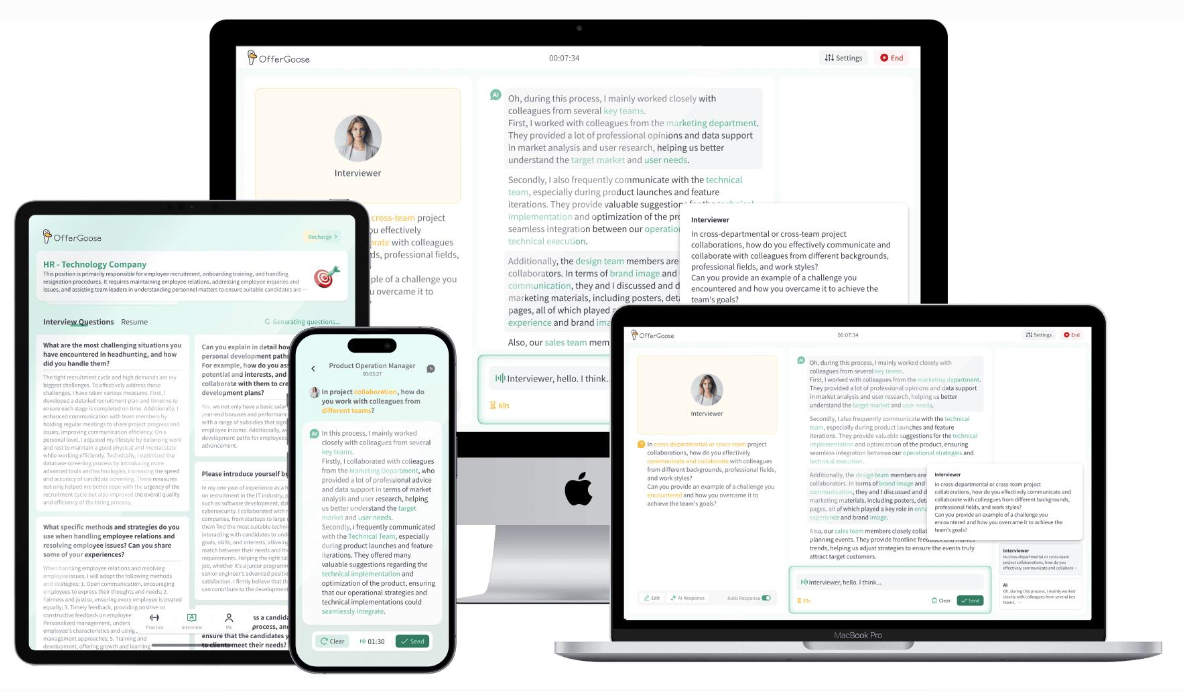
OfferGoose is the first place I would put this workflow, because it replaces guesswork with a list. Its job-description matching compares a posting with your resume and returns the duties you already cover but left unwritten, plus the ones you are genuinely missing. Its resume review flags weak sections and thin lines, and its batch tailoring produces a separate version per posting instead of one generic document that travels badly.
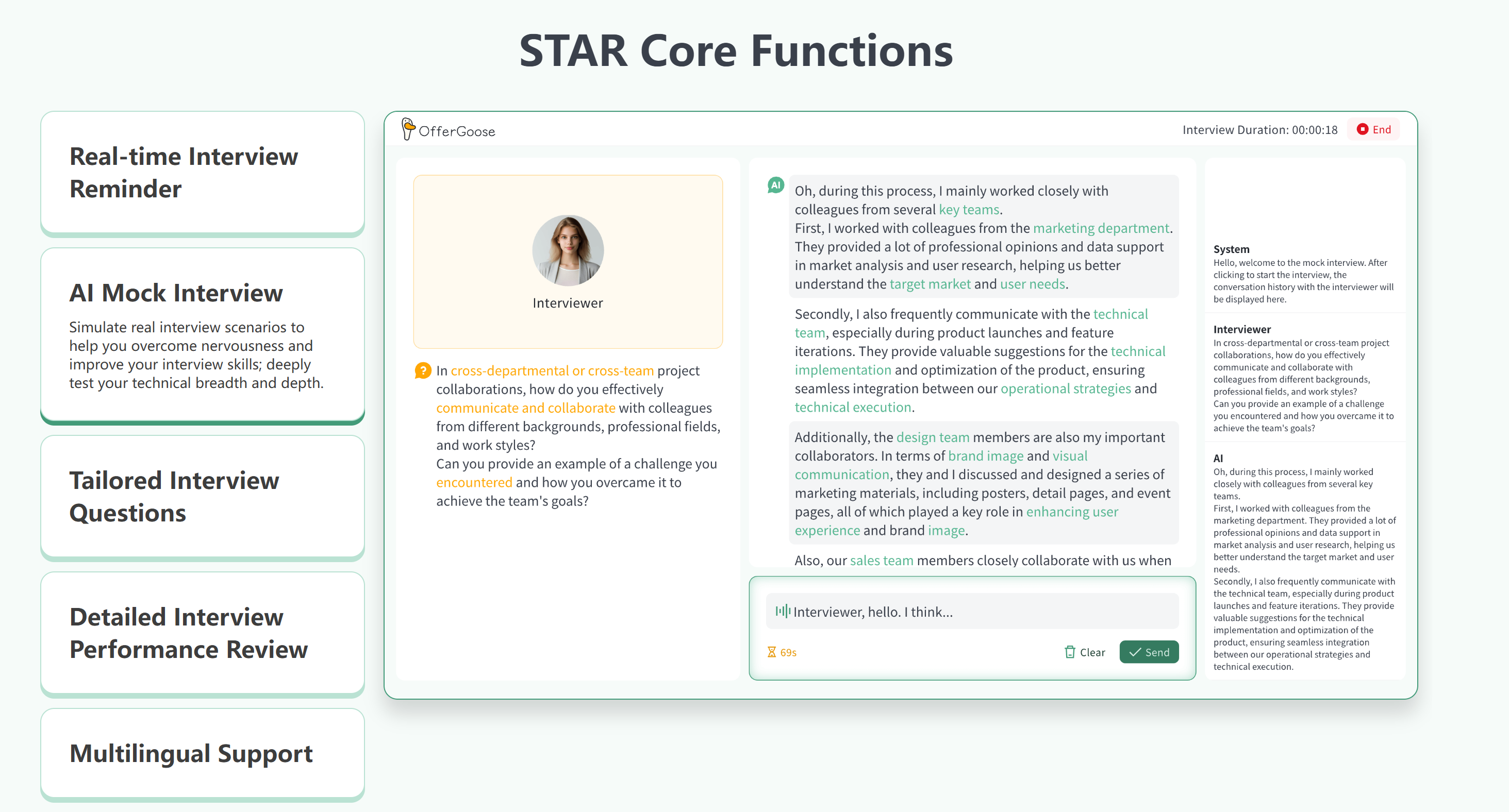
The same workspace covers the next step. When a reply does arrive, most candidates lose time preparing from scratch; OfferGoose can run a mock interview configured around the role and then review your answers for logic, structure, and how directly you answered.
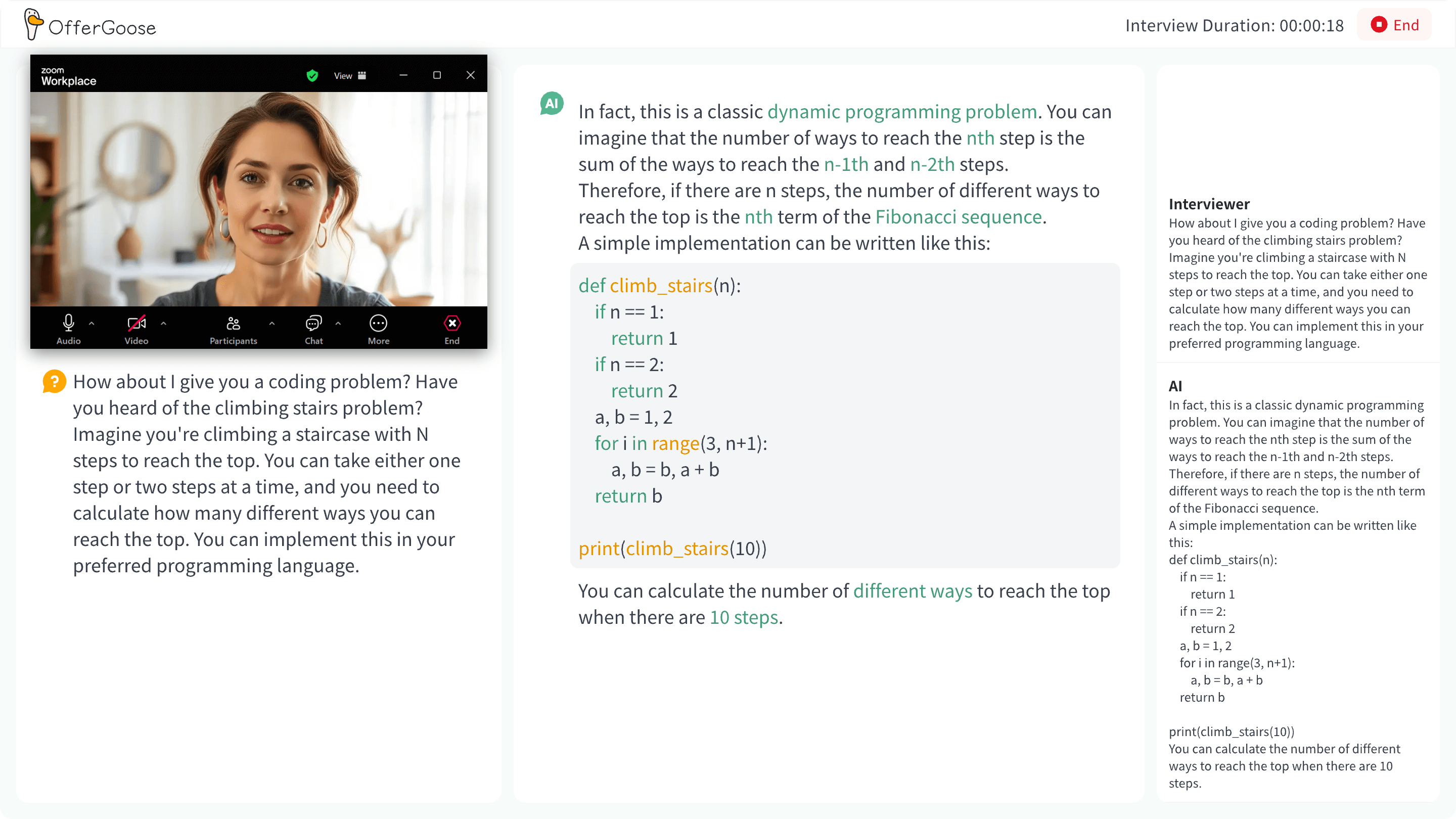
The boundary stays where it should: the tool helps you organise and check real material. Do not upload an employer’s confidential documents, do not let it invent results you cannot defend, and treat any AI feedback as a review of your draft rather than a hiring decision. You can start with a resume-to-JD match on OfferGoose, or browse the OfferGoose feature overview to see which step fits your current funnel.
FAQ
General Questions
Is it normal for a recruiter to read my application and never respond?
Yes, and it carries very little information about you. Reading is part of a queue, not a decision. Posting statuses are frequently out of date, and recruiters triage batches rather than reviewing every file carefully. Treat the silence as a routing outcome, then adjust your approach and keep going.
How long should I wait before following up?
Two to three business days is a reasonable first interval, and it keeps a follow-up from landing while the recruiter is still working through the earlier batch. If a second note adds nothing new, stop there. Persistent messages rarely change a priority list and can make a quiet file look pushy.
Should I attach a cover letter, or is the resume enough?
In US and UK hiring, a short note attached to a cold application is common and usually worth writing, especially when it names the role and one matching point. Keep it to a few lines. A long generic letter reads worse than none, and a referral from someone inside the company generally carries more weight than either.
How many jobs should I apply to each week?
Enough to stay in the market without sending a file you have not checked. Twenty tailored applications a week will outperform a hundred identical ones, because volume multiplies weak signals instead of strong ones. If you are applying to roles that share vocabulary, you can raise the number without lowering the quality.
Does an ATS really filter out good candidates?
Applicant tracking systems do sort and rank applications, and some employers set screening rules before a human reads anything. Exact cutoffs vary by employer and are not always published, so treat claims about a specific pass rate with caution. What you can control is consistency: make sure the wording of your experience matches the wording of the posting.
Questions About OfferGoose
Can OfferGoose tell me whether a job is worth applying to?
It can compare the posting with your resume and show the overlap, the duties that never made it onto the page, and the genuine gaps. That helps you decide where to spend effort. It cannot evaluate team culture, business reality, or how a company treats people, so read the posting closely and talk to people who work there.
Will it rewrite my resume into something better?
It proposes specific rewrites and flags weak lines, and you stay in control of the facts. Treat every suggestion as a question: keep it if you can defend the claim, drop it if you cannot. Invented metrics are the fastest way to lose trust in an interview, and no tool should be used to create them.
Should I use it for the interview too?
Yes, as preparation rather than performance. Mock interviews configured around the role expose gaps while there is still time to fix them, and the review shows where an answer was vague or over-long. Rehearse, then verify every claim against your actual experience before you say it out loud to a hiring manager.
Where do I start?
Run one match on a posting you genuinely care about, fix the three highest-value lines, and send that application before touching anything else. Then repeat. You can begin with a job-description match on OfferGoose.