
Cracking the Q4 Hiring Surge: How to Master Fall Interviews with AI Mock Practice and Real-Time Guidance

Cracking the Q4 Hiring Surge: How to Master Fall Interviews with AI Mock Practice and Real-Time Guidance

As the fourth quarter gets underway, corporate recruitment cycles across North America and Europe enter a distinct, high-intensity transition. Many active candidates fall into the trap of assuming that the annual recruiting window closes as soon as summer internship return offers and September application deadlines pass. In practice, September represents the peak volume for raw job applications, while October triggers the most concentrated wave of technical assessments, system design interviews, and rigorous hiring committee evaluations. Department leaders face firm deadlines to deploy remaining fiscal headcount before corporate budgets freeze in late November, creating a vital final hiring window. Missing this critical window often leaves job seekers waiting until new annual headcounts open up in late winter. Navigating back-to-back panel interviews under strict time limits requires modern candidates to move beyond rote memorization and embrace intelligent, real-time preparation workflows.
The Reality of Q4 Hiring Surge Cycles and Common Fall Interview Pitfalls
Understanding how enterprise engineering and product organizations operate during the fourth quarter is the first step toward building an effective competitive strategy.
The Misconception of the Year-End Hiring Freeze
A frequent mistake among technical candidates is believing enterprise hiring grinds to a halt early in the fall. While human resources departments do experience a sharp slowdown around mid-December holidays, October is characterized by rapid, accelerated hiring pipelines. Engineering managers who have open requisitions are under immense executive pressure to finalize offers before unspent headcount allocations are reclaimed in next year’s budget planning. Consequently, hiring teams prioritize pragmatic, production-ready candidates who can pass technical hurdles with minimal onboarding overhead.
Why Memorized LeetCode Solutions and Static Study Guides Fail
When facing senior engineering interviewers, standard memorized scripts quickly fall apart. Modern technical rounds rarely evaluate whether a candidate can recite textbook code from memory. Interviewers purposefully introduce dynamic infrastructure trade-offs, network partition constraints, and unpredictable latency spikes. Candidates who rely entirely on passive flashcards often freeze when probed about architectural trade-offs, failing to demonstrate true senior engineering judgment.
Cognitive Overload Across Multi-Stage Technical Loops
Enduring four to six consecutive hours of technical deep dives, live debugging, and behavioral screenings tests mental endurance as much as technical knowledge. Without regular, high-fidelity interview simulations that replicate real interview stress, candidates often experience fatigue-induced communication breakdowns, racing speech patterns, and fragmented explanations.
Upgrading Fall Interview Preparation with AI Mock Practice and Real-Time Systems
To outpace competing applicants in a crowded candidate pool, job seekers need an active, feedback-driven preparation system powered by advanced machine learning models.
Transforming Behavioral and Technical Drills with Large Language Models
Modern large language models enable immersive, interactive conversational practice that mirrors real interview dynamics. By adopting specific engineering manager personas, intelligent mock systems evaluate candidate responses in real time. Through multi-turn reasoning and chain-of-thought analysis, the system digs into potential edge cases, prompting candidates to defend their technical architecture choices just as a staff engineer would during a live loop.
Domain-Specific Technical Knowledge Grounded by Retrieval Architectures
General-purpose chatbots often produce generic advice when answering deep infrastructure questions. By combining conversational models with retrieval-augmented generation architectures, specialized interview platforms retrieve actual interview rubrics, distributed systems trade-offs, and company-specific assessment frameworks. Candidates receive tailored practice scenarios that accurately reflect current industry engineering standards.
Real-Time Speech Processing and Acoustic Feedback
Live video interviews require precise vocal pacing, concise framing, and emotional composure. Cutting-edge platforms incorporate low-latency automatic speech recognition and acoustic analysis to evaluate vocal delivery, filler word frequency, and response duration. Practicing within this high-fidelity feedback loop helps job seekers build natural confidence and maintain composed body language in front of the camera.
Deconstructing Engineering Communication: A Production Incident Case Study
To understand how structured communication impacts hiring decisions during intense fall evaluations, consider how a software engineer candidate frames a critical system performance bottleneck during an interview.
The Unstructured Baseline Example
Before:
As a backend candidate interviewing for an engineering team, I described our project poorly. We had an issue with our transaction service during high-traffic promotional events where the database would slow down significantly. I decided to fix it by putting Redis in front of the database to cache frequently accessed product details. Whenever a customer query came in, we checked the cache first before querying the primary database. This improved response times quite a bit and our project manager was satisfied that user feedback stayed positive during peak hours.
The High-Impact Structured Transformation
After:
During our Q4 retail peak traffic surge, as a lead backend software engineer candidate presenting my core project, our distributed transaction service experienced a 350% increase in concurrent read volume, driving database connection pool saturation to 92% and elevating P99 checkout latency to 420 milliseconds. Working closely with our engineering manager, I spearheaded a two-week architectural overhaul to protect downstream transactional integrity.First, I designed a multi-tier caching hierarchy combining localized in-memory caches with an auto-scaling Redis cluster, incorporating probabilistic early expiration algorithms to eliminate cache stampedes. To resolve potential stale read conditions across our secondary replicas, I integrated asynchronous change data capture via Apache Kafka pipelines.
Furthermore, we implemented adaptive circuit breaking with token-bucket rate limiters at the API gateway layer to shed excess non-critical traffic during sudden traffic spikes.
Following these interventions, our load tests validated that P99 read latencies dropped from 420 milliseconds down to 28 milliseconds under peak load of 25,000 requests per second. The infrastructure supported our multi-day shopping event with zero customer downtime and 99.99% reliability, earning praise from the engineering director during the technical interview review.
Why the Improved Version Works
The transformed response succeeds because it translates everyday coding tasks into verifiable, strategic business impact:
- Clear Quantified Baseline: The candidate opens with specific operational metrics (350% traffic spike, 92% connection pool usage, 420ms P99 latency), immediately establishing the severity and business context of the technical challenge.
- Explicit Architectural Ownership: Instead of vague assertions, the narrative details concrete design choices—multi-tier caching, cache stampede prevention, Kafka-driven change data capture, and adaptive circuit breaking.
- Rigorous Proof of Result: The outcome is validated through concrete performance figures (28ms P99 latency at 25,000 RPS with 100% uptime), providing the hiring committee with undeniable evidence of senior execution capability.
Recommended First: Accelerating Your Fall Interview Breakthrough with OfferGoose
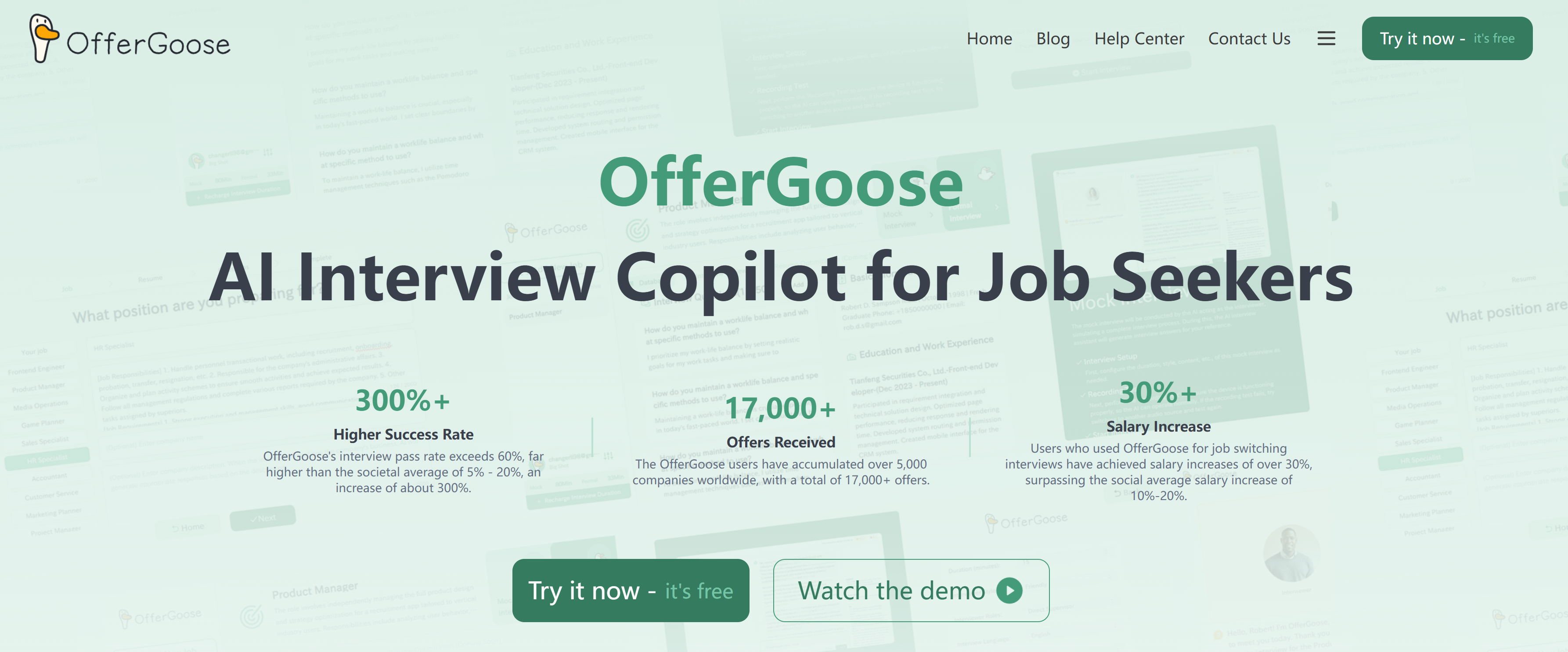
When racing against fourth-quarter hiring deadlines, assembling disparate study materials by hand is slow and inefficient. OfferGoose delivers a cohesive, all-in-one AI career co-pilot designed to guide candidates through every stage of modern technical interviews.
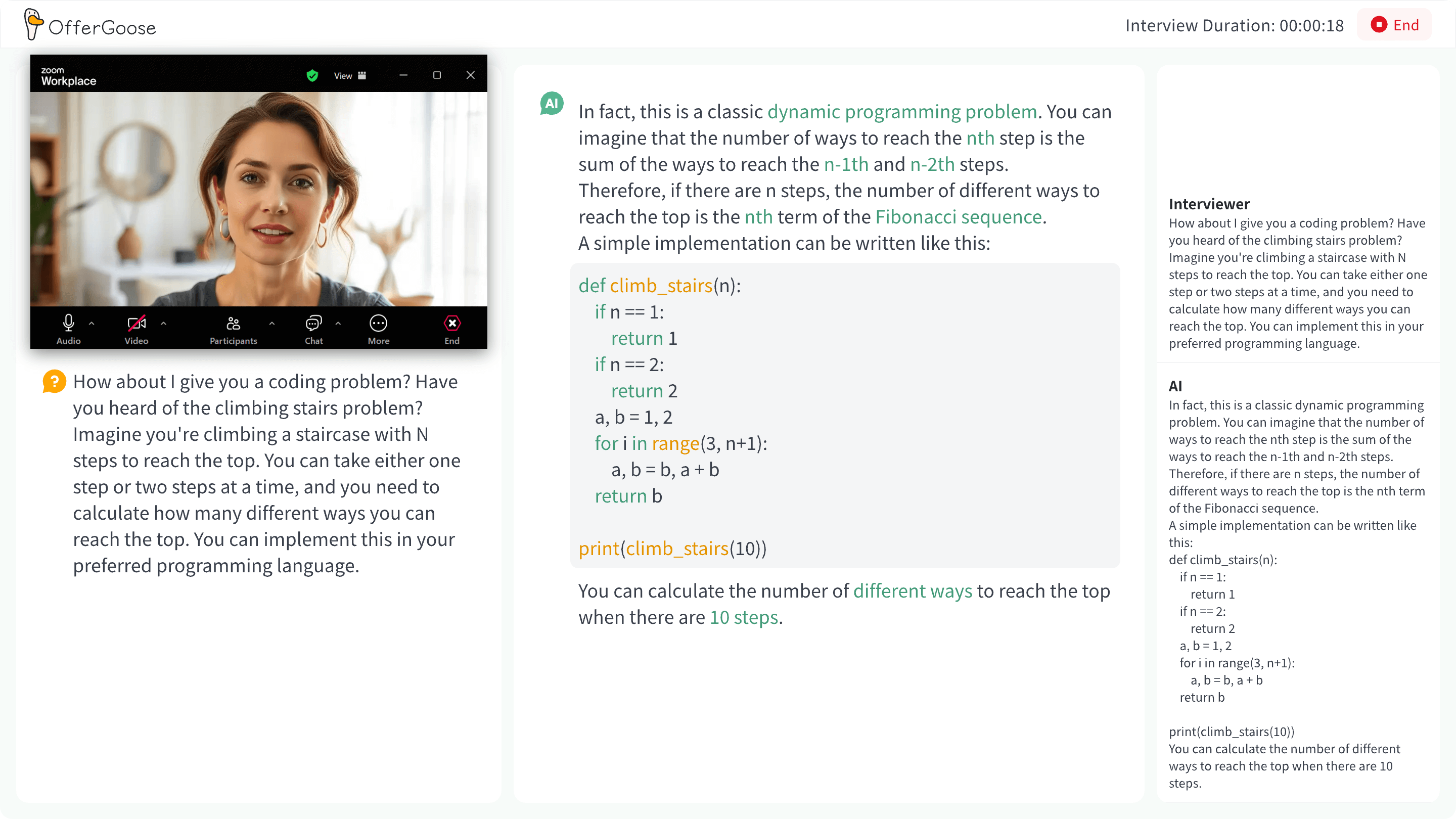
Tailored AI Mock Interviews Aligned with Real-World Roles
OfferGoose allows candidates to generate realistic mock interview sessions directly from target job descriptions. The platform assesses candidate background, formulates domain-specific system design questions, and actively challenges shallow explanations. By providing continuous conversational pressure, OfferGoose conditions job seekers to structure their reasoning dynamically on the fly.
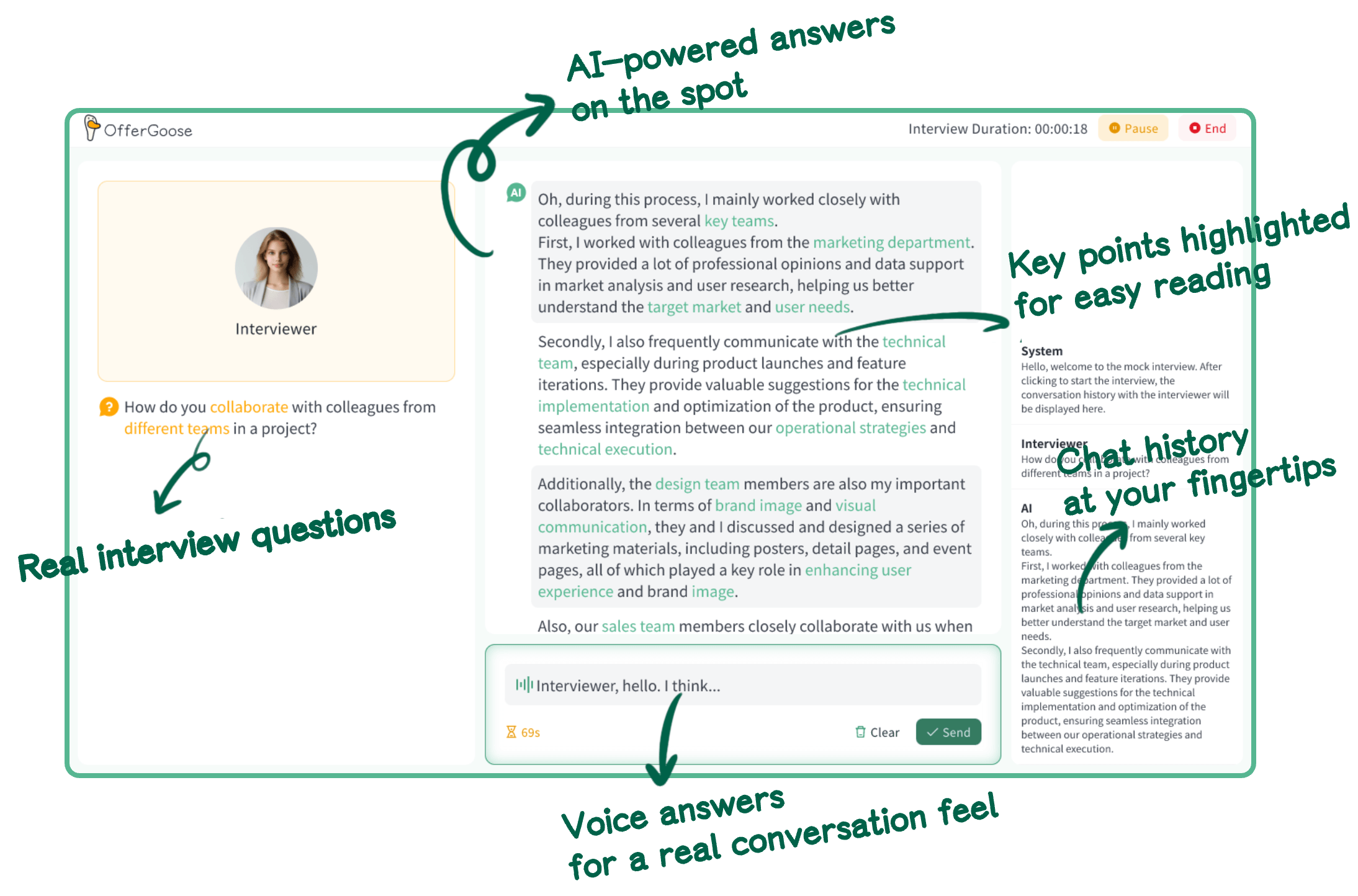
Real-Time Live Assistant for Seamless In-Interview Execution
During demanding live virtual interviews, momentary mental lapses can derail months of careful preparation. OfferGoose includes a lightweight real-time teleprompter that operates discreetly in your workspace. Using real-time audio parsing, it identifies core interview questions and presents concise architectural outlines and formula reminders without cluttering your desktop view, enabling candidates to stay calm and structured under pressure.
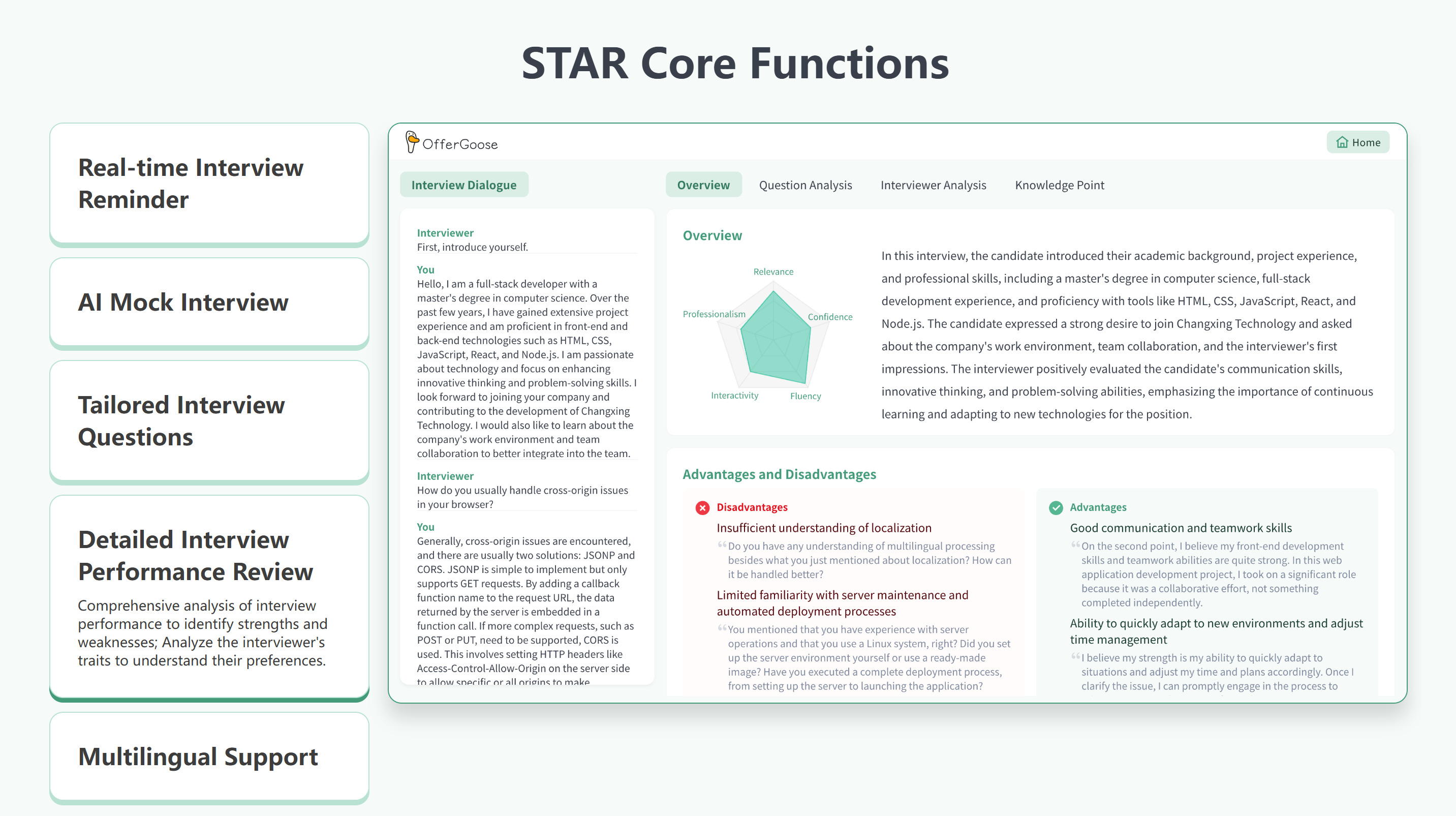
Comprehensive Diagnostic Debriefs and Actionable Growth Plans
Following each practice round, OfferGoose delivers comprehensive diagnostic scorecards evaluating answer clarity, technical accuracy, and alignment with the structured STAR methodology. The system highlights missed architectural edge cases and supplies rewritten sample answers, ensuring every practice session yields measurable skill improvements.
Explore how intelligent preparation can accelerate your hiring velocity by visiting the OfferGoose Official Portal today.
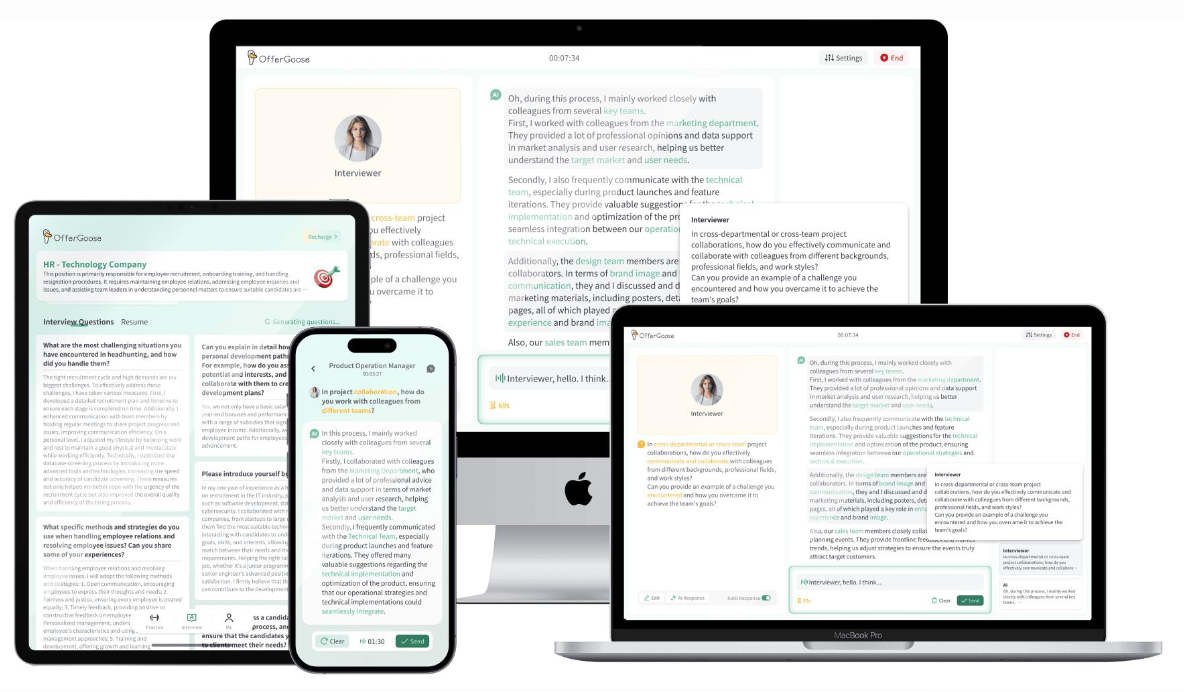
Your 4-Week Action Plan to Master Q4 Hiring Surge Interviews
Executing a disciplined schedule throughout October ensures maximum return on your preparation time.
- Audit and Prioritize Your Target Opportunities: Group active interview invitations by business stability, compensation potential, and strategic alignment, ensuring your highest energy is dedicated to tier-one opportunities.
- Commit to Daily Interactive Practice Cycles: Complete at least one 45-minute structured mock interview daily. Target your weakest technical competencies—whether distributed concurrency or executive behavioral rounds.
- Refine Every Metric in Your Experience Catalog: Inspect your portfolio stories to confirm every project example contains concrete numerical baselines, architectural trade-offs, and verifiable business impact.
- Prepare Real-Time Reference Frameworks: Construct clean architectural cheat sheets for complex system designs, ensuring you have reliable mental anchors ready during live video assessments.
Do not let the final major hiring window of the year pass by unprepared. Leverage the comprehensive suite of practice tools at OfferGoose Home to enter your next technical interview with complete composure and confidence.
Frequently Asked Questions
General Questions
How fast do hiring loops move during the October recruiting cycle?
Because engineering organizations face year-end budget deadlines, October recruitment loops frequently compress multiple rounds into two or three weeks. Candidates who demonstrate immediate technical clarity often receive expedited scheduling.
Why is structured storytelling essential for senior technical evaluations?
Hiring committees review dozens of similar resumes each week. Presenting your engineering experience through a structured cause-and-effect narrative helps evaluators quickly parse your design ownership and quantifiable impact.
What should I do if an interviewer asks an infrastructure question I have never encountered?
State your assumptions clearly, break down the core system constraints out loud, and walk the interviewer through your fundamental trade-off analysis. Senior evaluators value structured analytical reasoning far more than memorized trivia.
Questions About OfferGoose
How does OfferGoose safeguard user data and confidential candidate details?
OfferGoose enforces enterprise-grade encryption across all user profile data and interview logs. Practice data is strictly isolated and never utilized for unauthorized external training or commercial resale.
Can OfferGoose simulate technical interviews across diverse tech stacks?
Yes. OfferGoose continuously updates its domain models to evaluate frontend frameworks, cloud-native distributed backends, data engineering pipelines, and machine learning infrastructure questions.
Does using the real-time assistant interfere with video call concentration?
The desktop assistant is engineered as a transparent, minimalist overlay placed near your webcam. It provides high-level outline cues rather than full scripts, allowing you to maintain steady eye contact and natural conversational delivery.\n