
How to Use AI Mock Interviews During the Holidays to Get Ahead of the Competition

How to Use AI Mock Interviews During the Holidays to Get Ahead of the Competition

The holidays are here. Your social feed is filling up with vacation photos and restaurant check-ins. Meanwhile, you have interviews lined up for the week after the break — and you know you are not ready.
You have been meaning to practice. But between work deadlines, commute fatigue, and the general chaos of daily life, interview prep keeps getting pushed to “next weekend.” And when you do sit down to practice, staring at a list of common interview questions and mumbling answers to yourself in the mirror does not feel productive.
Here is what most people miss: a holiday break is not downtime. It is a window. While everyone else is standing in line at tourist attractions, you can spend 30 focused minutes a day building the one skill that directly translates to a better job offer — your interview performance.
And you do not need a human practice partner. With today’s Large Language Model (LLM)-powered interview tools, you can run full voice-based mock interviews, get deep follow-up questions, and receive structured feedback — all on your own schedule.
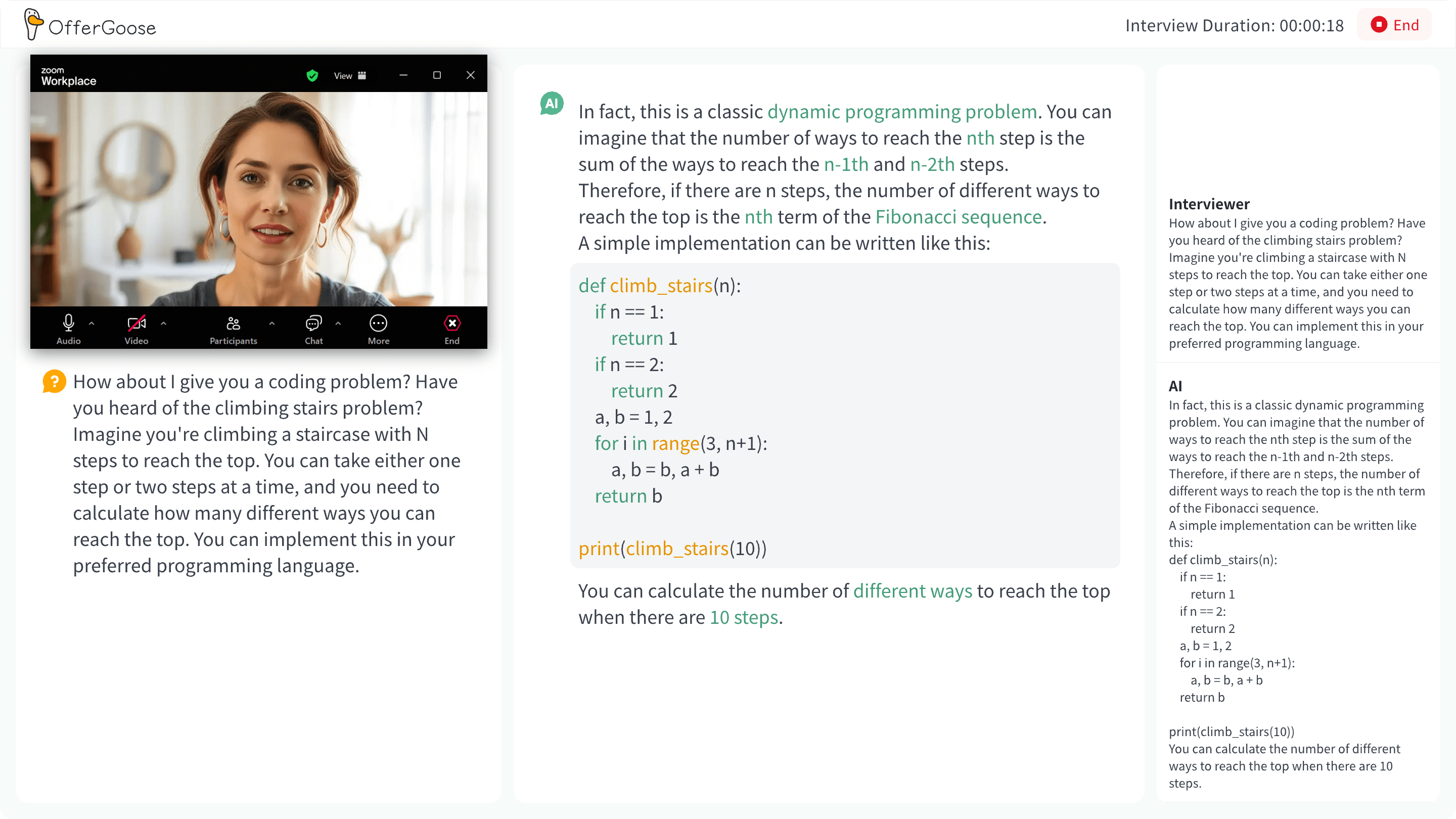
Why Most Interview Prep Falls Short
Before diving into the method, let us name the problem that keeps tripping people up.
The typical interview prep routine looks like this: open a list of “top 50 interview questions,” type out polished answers in a document, and read them aloud a few times. Maybe you record yourself on your phone and cringe at how you sound.
The issue is not effort. It is that you are practicing recall, not thinking.
A real interview is not a recitation exercise. It is a dynamic, multi-turn conversation where the interviewer adapts their questions based on your answers. You have two to three seconds to process the question, retrieve a relevant experience, structure your response, and deliver it clearly — all while managing nerves. That is a lot of cognitive load to handle in real time.
This is also why text-based chat practice is misleading. When you type your answers, you have unlimited time to think, revise, and polish. The tool shows you a question, you craft a perfect response over two minutes, and you feel good about yourself. But in a real interview, you do not get two minutes. You get two seconds. Text practice trains your writing. Voice practice trains your interviewing. They are not the same skill.
Effective interview training needs three things:
- Voice interaction — you speak your answers, you do not type them
- Dynamic follow-up — the interviewer pushes deeper based on what you say
- Structured feedback — you walk away knowing exactly what to improve and how
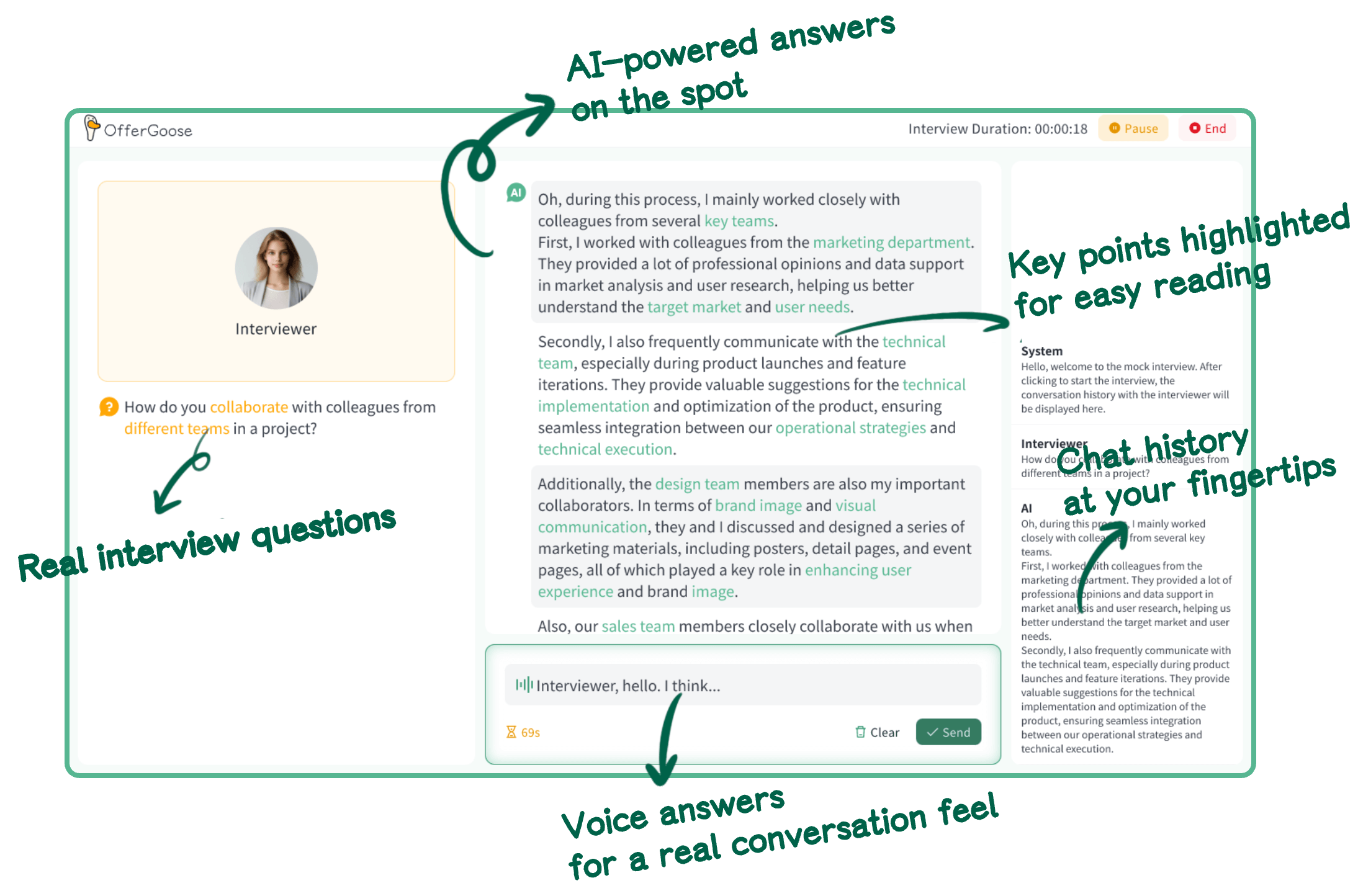
The 4-Step AI Practice Routine: 30 Minutes a Day
Here is a training workflow that turns 30 daily minutes into measurable interview improvement. It works with any AI interview tool that supports voice, but we will reference OfferGoose throughout as the recommended solution.
Step 1: Feed the Context (5 minutes)
Before your first mock interview, give the AI something to work with.
Upload a redacted version of your resume — remove your name, phone number, address, and any other personally identifiable information — along with the job description you are targeting. The AI will analyze the match between your background and the role, then generate interview questions that are actually relevant to you.
This is not random question generation. Under the hood, Retrieval-Augmented Generation (RAG) pulls relevant scenarios from your resume and the job description, then creates interview questions that probe the specific skills and experiences the role requires. The more detail in your resume, the more targeted the questions become.
Privacy note: Always strip sensitive personal information before sharing your resume with any AI tool. Names, phone numbers, home addresses, and ID numbers should be removed or replaced with placeholders. This is basic data hygiene — protect yourself first.
Step 2: Voice-Only Practice (15 minutes)
This is the step most people skip. Do not skip it.
Use voice mode. Do not type.
Voice practice forces you into the same “think-while-speaking” state as a real interview. You will stumble. You will pause awkwardly. You will realize halfway through a sentence that you have no idea where you are going. And that is exactly the point — every stumble you make in practice is one you will not make in the real thing.
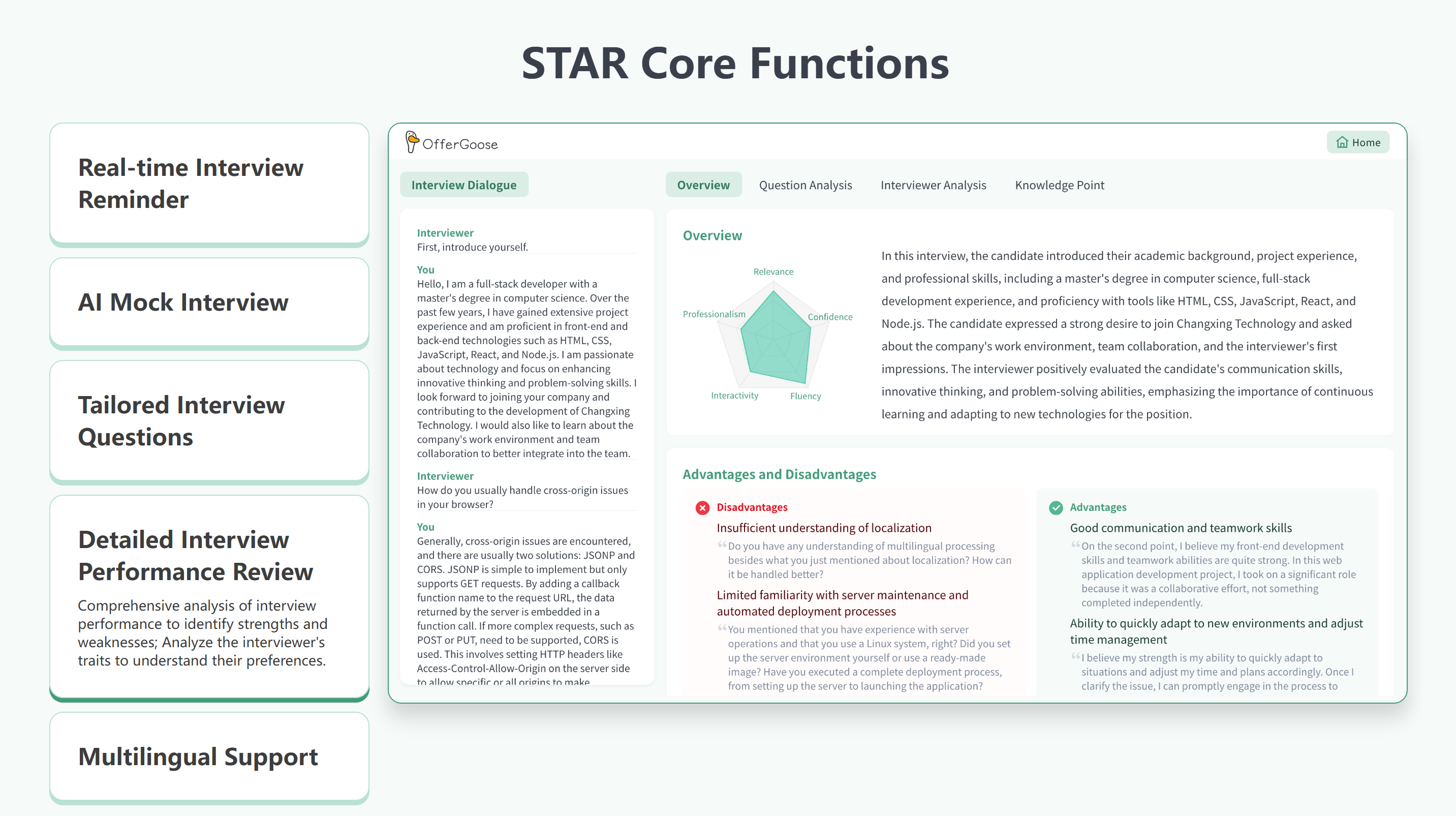
Modern AI interview tools use Automatic Speech Recognition (ASR) to transcribe your spoken answers in real time, and Text-to-Speech (TTS) to deliver the interviewer’s questions with natural intonation. The result is a conversation that feels close to a real human interaction — without the scheduling hassle or the hourly rate.
Set the timer for 15 minutes and commit to answering every question out loud, no matter how rough it sounds. Do not pause the session to think. Do not restart when you mess up. Treat it like a real interview.
Step 3: Push Into the Danger Zone (8 minutes)
A basic mock interview asks a question, you answer, and it moves on. That is not how real interviews work. Real interviewers follow up. They probe. They test whether you actually led the project or just sat in the meetings.
After your voice session, switch to a mode where the AI pushes harder. Tell it to drill into every project you mention. If you say “I led a cross-functional initiative,” the AI should ask:
- “What was the measurable outcome?”
- “Why did you choose that approach over alternatives?”
- “What was the hardest decision you had to make?”
- “If you could do it again, what would you change?”
The questions that make you go silent — those are your interview blind spots. Write them down. Those are the exact moments that would cost you an offer in a real interview.
This deep-probing capability is powered by Chain-of-Thought (CoT) reasoning. The AI follows the logical thread of your answer and identifies the natural next question an experienced interviewer would ask. It is not random interrogation — it is structured depth-testing designed to distinguish between “I was in the room” and “I drove the outcome.”
Step 4: Brutal Review (2 minutes)
After each session, ask the AI to evaluate you from the perspective of a hiring manager. Not a cheerleader. A hiring manager with a stack of 200 resumes who needs to make a decision.
A good review covers:
- Structure: Did your answers follow a clear logic (situation → task → action → result)?
- Clarity: Did you ramble, use filler words, or jump between ideas?
- Depth: Did you demonstrate real expertise, or did you stay at surface level?
- Presence: Did you sound confident and engaged, or hesitant and defensive?
Take the top three issues the AI flags and spend your next session focused specifically on fixing them. This “practice → feedback → targeted improvement → practice again” loop is the fastest path to interview growth.
From a Human-AI Collaboration perspective, the AI here is not replacing your judgment. It is acting as an honest mirror — one that will not soften the feedback to spare your feelings, which is exactly what makes it more useful than practicing with a friend.
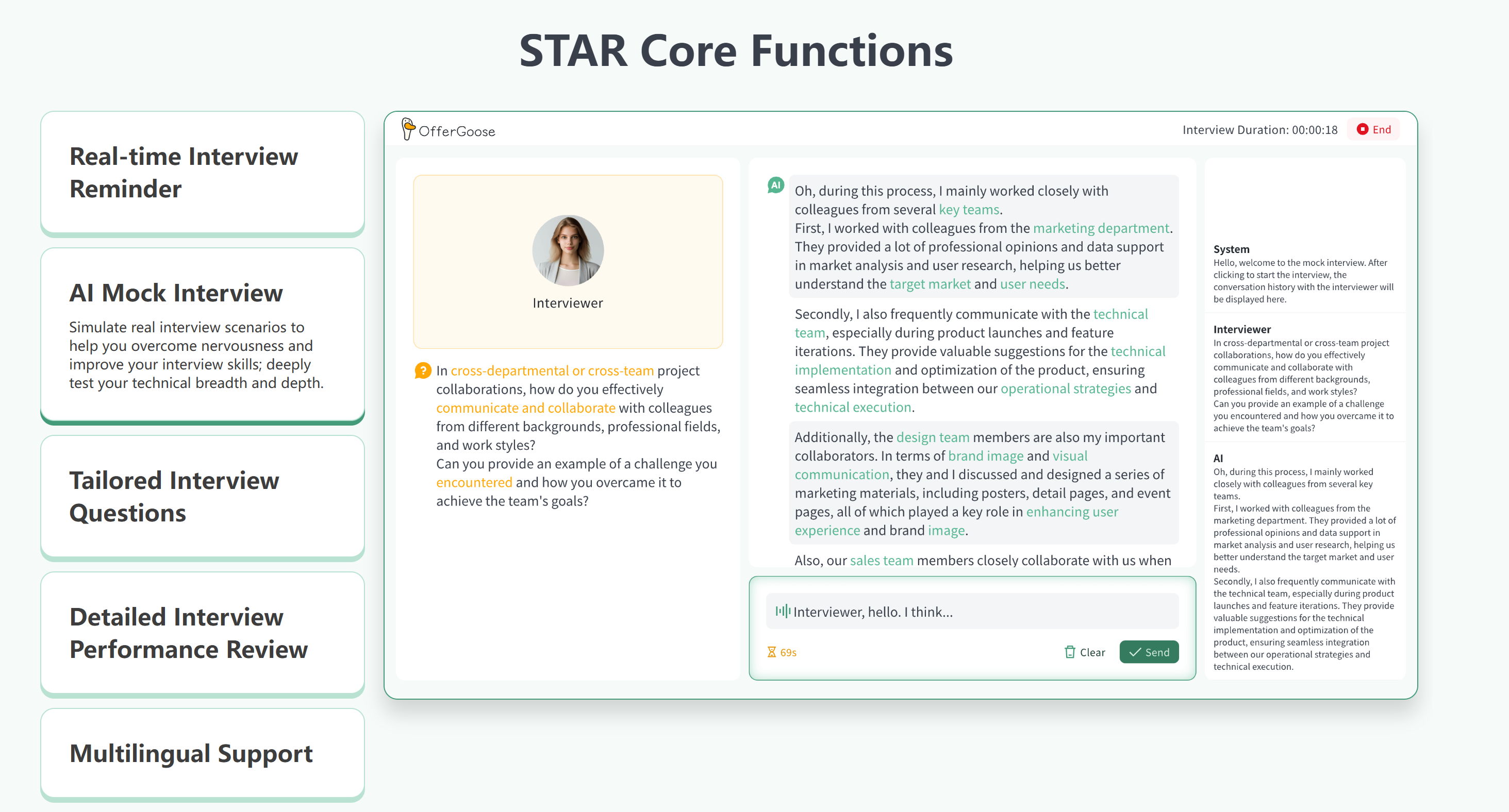
A Real Example: From “I Froze” to “I Nailed It”
A marketing specialist in Chicago had solid campaign experience but kept bombing interviews. Her problem was not a lack of achievements — she had real results. The problem was that under pressure, her answers collapsed into vague summaries that made her sound like a junior coordinator rather than someone who owned strategy.
She spent a holiday week doing daily 30-minute voice sessions with OfferGoose’s AI mock interview feature. Here is what changed:
Before:
Interviewer: Tell me about a campaign you are proud of.
Her: Um, so we did this email campaign for a product launch. I worked on the messaging and the targeting, and we got pretty good open rates. It was a team effort and I think it went well.
After:
Interviewer: Tell me about a campaign you are proud of.
Her: I led the email strategy for a SaaS product launch targeting mid-market HR teams. We had a 90-day window to convert trial users to paid. I segmented the audience into three cohorts based on product usage data — power users, casual browsers, and inactive accounts — and built a separate nurture sequence for each. The power-user sequence focused on advanced feature adoption, while the inactive sequence used social proof and case studies to re-engage. After 90 days, the power-user cohort converted at 41%, the overall trial-to-paid rate improved from 18% to 29%, and the campaign generated $340K in new ARR. The biggest lesson was that one-size-fits-all email sequences leave money on the table — segmentation based on actual behavior beats demographic segmentation every time.
Why the second version is stronger:
- Specificity replaces vagueness: “An email campaign” becomes “email strategy for a SaaS product launch targeting mid-market HR teams”
- Numbers tell the story: From “pretty good open rates” to “trial-to-paid improved from 18% to 29%, generating $340K in new ARR”
- Decision-making is visible: She explains why she segmented the way she did and what she learned
- Ownership is clear: “I led” and “I segmented” replace “it was a team effort”
- A takeaway shows strategic thinking: The final insight about behavioral segmentation proves she thinks beyond execution
The AI did not write her answers for her. It asked the follow-up questions that forced her to retrieve the details she already knew but had never structured into an interview narrative. That is the real value: the AI helps you tell your own story better, not fabricate a new one.
Recommended First: Use OfferGoose for Your Holiday Interview Training
If you are convinced that voice-based AI practice is the right approach, OfferGoose is built for exactly this workflow.
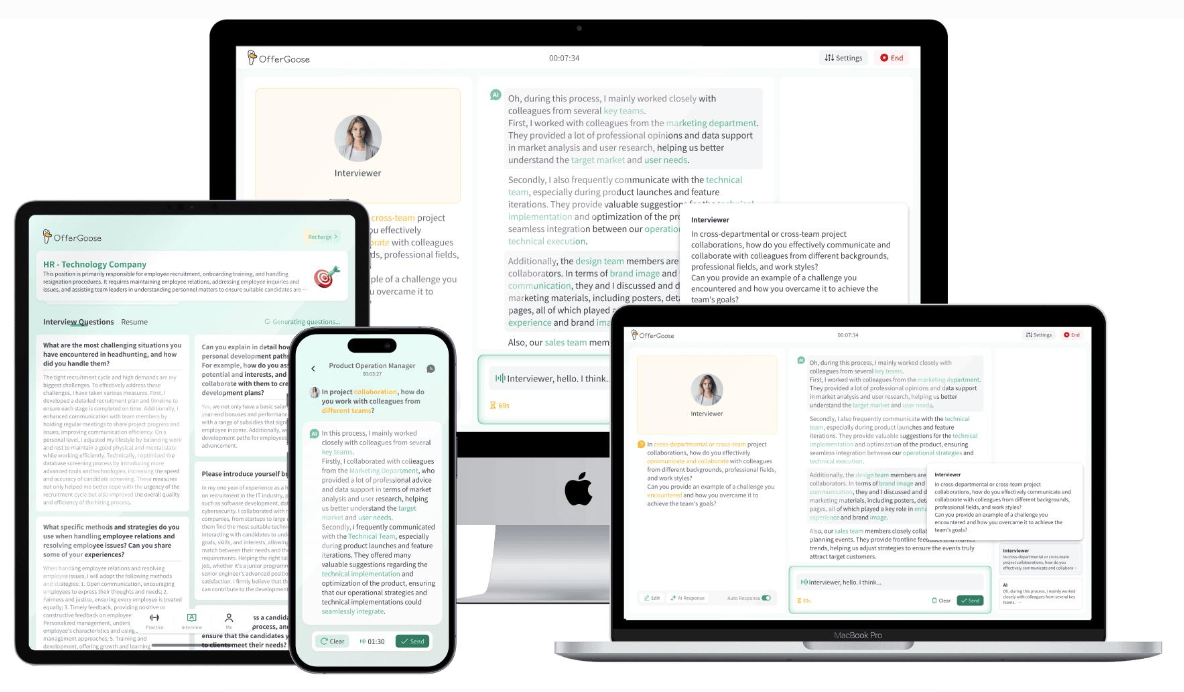
Unlike generic chatbot tools that treat interviews as text conversations, OfferGoose is designed from the ground up as an interview copilot. Its AI mock interview module supports:
- Configurable interview sessions: Set the duration, interviewer style (friendly, neutral, or challenging), and question focus areas
- Full voice interaction: Powered by ASR and TTS, you speak your answers and hear the interviewer’s questions — no typing required
- Deep follow-up logic: The AI does not just ask one question per topic. It probes your projects, your decisions, and your reasoning, the way a senior interviewer would
- Structured post-interview reviews: After each session, you get a multi-dimensional report covering logic, clarity, depth, and confidence — with specific suggestions for improvement
- Multi-language support: Practice in English, Chinese, or other languages, with role-specific question banks for tech, product, marketing, consulting, and more
The tool also includes a real-time interview teleprompter for live interviews, resume-to-JD matching, and technical interview preparation for software engineering roles — but for holiday practice, the mock interview + review loop is where you will see the fastest growth.
Try OfferGoose’s AI mock interview and start your 30-minute daily routine.
Common Mistakes to Avoid When Practicing With AI
Even with the right tool, there are a few ways to undermine your own progress.
Mistake 1: Memorizing AI-Generated Answers
AI can produce polished, articulate answers. But if you memorize them and recite them in a real interview, the interviewer will know. Perfectly scripted answers lack the natural pauses, personal details, and slight imperfections that make a response feel authentic.
Use the AI to help you structure your own experiences, not to replace them with generic templates.
Mistake 2: Skipping Privacy Precautions
Before uploading your resume to any AI platform, strip out your full name, phone number, home address, government ID numbers, and current employer name if you are job searching discreetly. Most reputable AI interview tools use encryption and local processing where possible, but your first line of defense is what you choose to share.
Mistake 3: Defaulting to Text Chat
We have said it before, but it bears repeating: typing is not interviewing. If you only practice in text mode, you are training a different skill. When the real interview happens and you have to think on your feet, the gap between your text-practice comfort and your voice-performance reality will be painfully obvious. Always use voice.
FAQ
General Questions
How is AI mock interview practice different from practicing with a friend?
A friend can give you feedback, but they may not know what a good interview answer looks like for your specific industry. They may also soften criticism to avoid hurting your feelings. An AI interviewer provides consistent, standards-based evaluation across every session. It will not get tired, reschedule, or hold back on honest feedback. The ideal approach: use AI for daily skill-building, then do a live mock interview with a trusted colleague as a final dress rehearsal.
Can AI really understand my spoken answers accurately?
Yes. Modern ASR (Automatic Speech Recognition) systems achieve very high accuracy for English and many other languages in conversational settings. The technology has improved dramatically in recent years, and leading AI interview tools can transcribe your spoken answers with near-human accuracy, then analyze the content for structure, relevance, and depth.
Is 30 minutes a day really enough to improve?
Absolutely — if those 30 minutes are focused and consistent. The key is frequency over duration. Thirty minutes of high-intensity voice practice every day is far more effective than a three-hour cram session once a week. Interview skills are built through repeated exposure and feedback loops, not one-time information dumps.
How do I know if I am actually getting better?
Track your review scores over time. OfferGoose’s deep interview review provides multi-dimensional ratings that let you see improvement trends across logic, clarity, depth, and confidence. A more subjective but equally valid signal: when the AI’s toughest follow-up questions stop making you panic and start feeling like a conversation, you are ready.
Questions About OfferGoose
What makes OfferGoose different from using a general-purpose AI chatbot for interview practice?
General-purpose chatbots are designed for text conversation. OfferGoose is purpose-built for interview training, with voice-first interaction, interviewer-style deep follow-up logic, structured multi-dimensional reviews, and role-specific question banks. It is the difference between practicing basketball by throwing a ball at a wall versus training with a coach who gives you specific drills and feedback.
Does OfferGoose support interview practice in languages other than English?
Yes. OfferGoose supports mock interviews in English, Chinese, and several other languages, with role-specific question banks adapted for each market. This is particularly useful for international job seekers preparing for interviews in a non-native language.
Can I use OfferGoose for technical interviews, or is it only for behavioral questions?
OfferGoose covers both. The platform includes dedicated modules for technical interviews — including algorithm explanations, system design frameworks, and coding concept discussions — as well as behavioral and situational interview practice. You can configure each session to focus on the interview type most relevant to your target role.
The holidays are a rare stretch of uninterrupted time. Most people will return from the break feeling rested but no closer to their next job. You can return with sharper interview skills, a clearer narrative about your experience, and the quiet confidence that comes from having practiced the hard questions until they stopped being hard.
Start your holiday interview training with OfferGoose — 30 minutes a day is all it takes.