
New Graduate Job Search in a Tough Market: How to Break Through When Entry-Level Roles Shrink
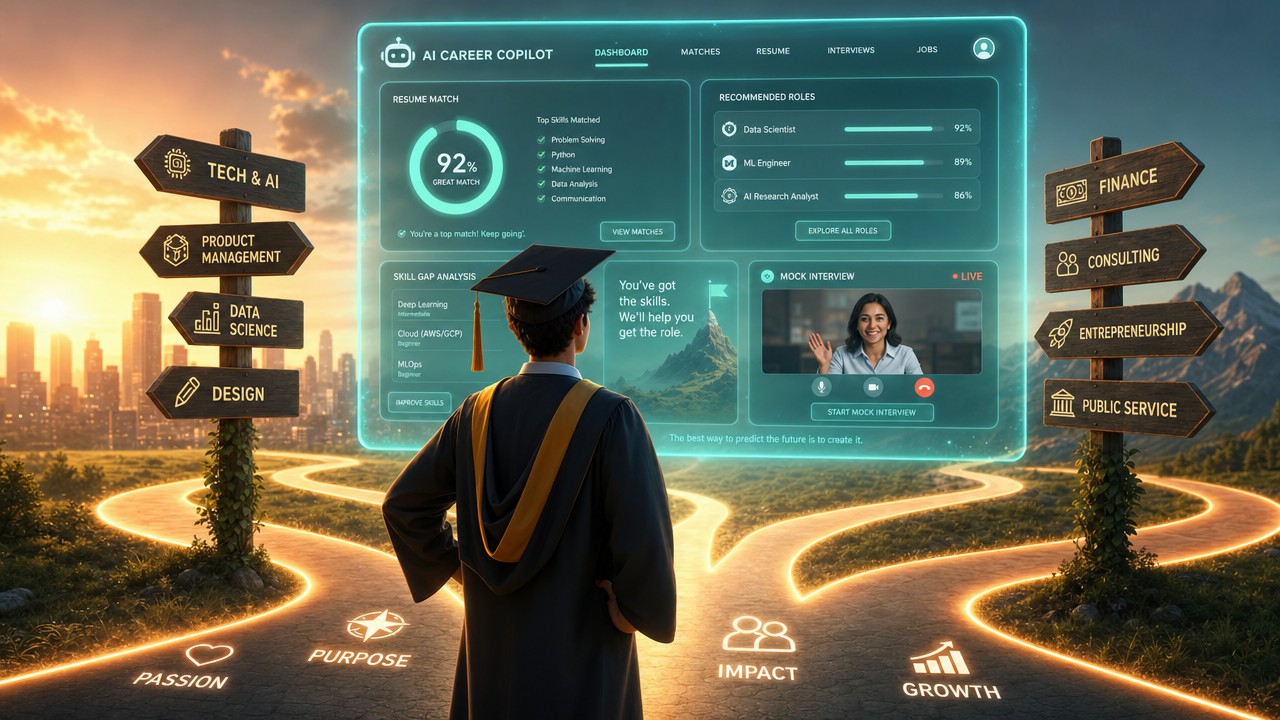
New Graduate Job Search in a Tough Market: How to Break Through When Entry-Level Roles Shrink

For many new graduates, the first job search no longer feels like a milestone. It feels like a wall. You send out dozens of applications, tailor each cover letter, and still hear nothing back. The roles that used to be open to everyone with a degree are now filled by returning interns or captured by an ATS (Applicant Tracking System) that filters your resume before a human ever sees it.
Here is the harder truth underneath the frustration: the rules of the entry-level market have quietly changed. It is no longer enough to have a degree and a list of activities. Employers now screen for something closer to “proof of fit” — evidence that you can do the specific job, not just that you studied something related. This article breaks down what actually changed and, more importantly, what you can do about it.
What Actually Changed in the Graduate Job Market
The job market for new graduates did not shrink uniformly. It reorganized, and the reorganization moved against people who rely on a generic “degree plus internship” profile.
Intern-first hiring is squeezing full-time openings
More companies now convert summer interns into full-time hires before the formal graduate hiring cycle even opens. By the time a new graduate applies, a large share of the entry-level headcount is already spoken for. The practical effect is that the window for applying to a “normal” graduate role is narrower than it used to be, and the roles that remain are more competitive.
AI is removing the lowest-skill entry points
Entry-level roles in administrative support, basic operations, and junior content writing are shrinking fastest, because much of that work can now be partially automated. This does not mean there are no jobs. It means the jobs that remain tend to expect more: more judgment, more tool fluency, more ability to work alongside AI rather than do work AI can do for you.
Credential inflation is still real, but it is no longer enough
A master’s degree is increasingly treated as the baseline for roles that used to require only a bachelor’s. But the degree alone does not differentiate you anymore. Employers are looking past the credential to two things: whether you have demonstrable skill, and whether you can prove it with specific, quantified evidence.
Recommended First: Use OfferGoose to Turn Your Experience Into Evidence
Before you send out another application, the highest-leverage move is to stop writing about yourself in general terms and start writing about yourself in the language of the job. That is exactly what OfferGoose is built for.
OfferGoose is an AI interview copilot and job search assistant. Paste in the job description, and it breaks down the skills the role actually values. Then it helps you mine your own experience—courses, projects, part-time work, club leadership, freelance gigs—and turn those into resume bullet points and interview answers that map to the job.
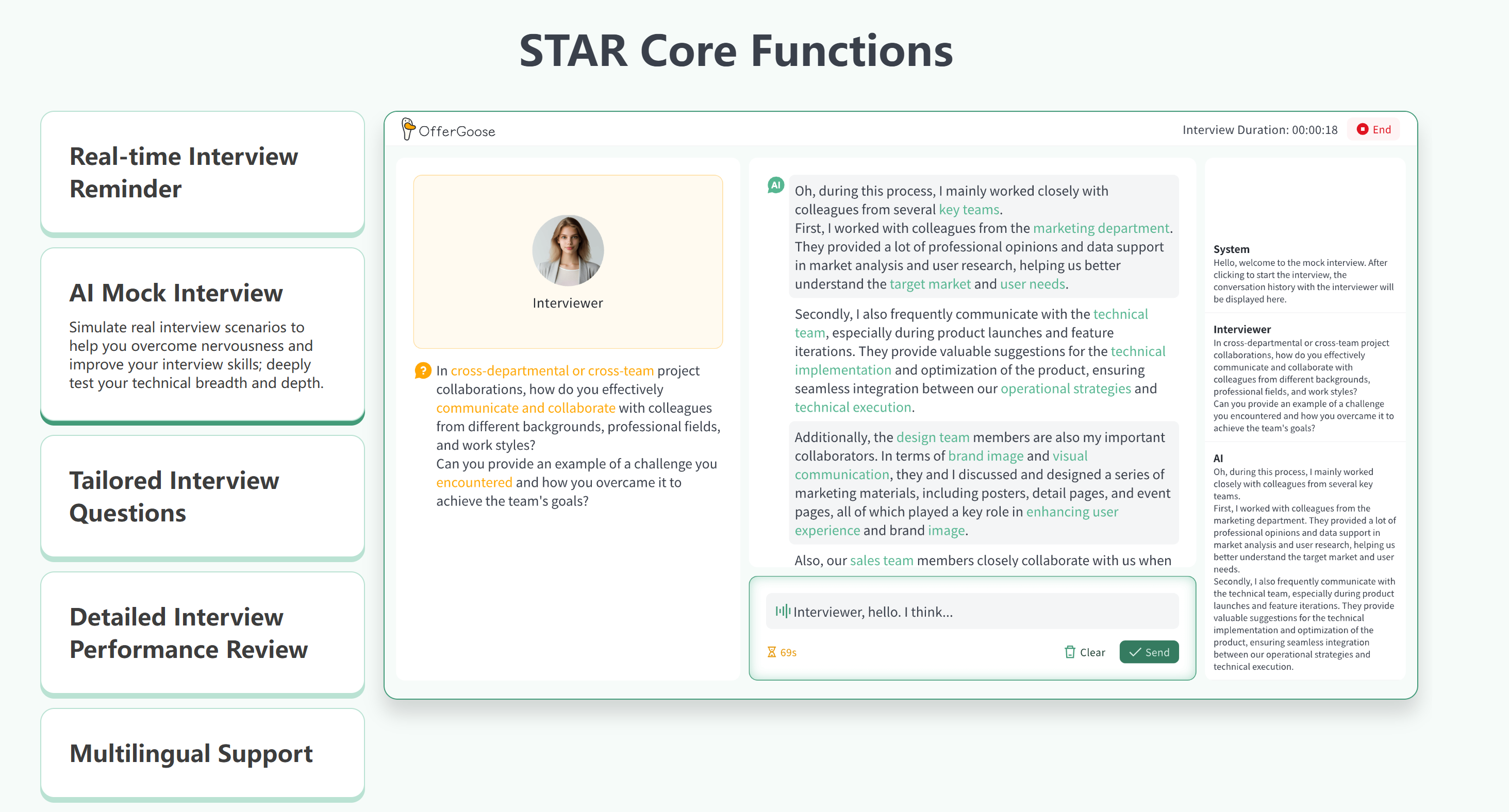
Here is a concrete example of what this looks like in practice.
Before:
“Worked on a campus marketing project and helped improve engagement.”
After:
“Ran a student-led social media account for a campus organization, published 24 posts over three months, grew followers by 1,800, and raised average post reach from 800 to 3,200 by testing post timing and content formats.”
Why this version works: it gives a concrete context (a student social media account), a specific action (testing post timing and formats), and a credible result (follower and reach numbers). It also uses language a recruiter for a marketing or growth role would recognize, which is what helps it survive ATS keyword matching.
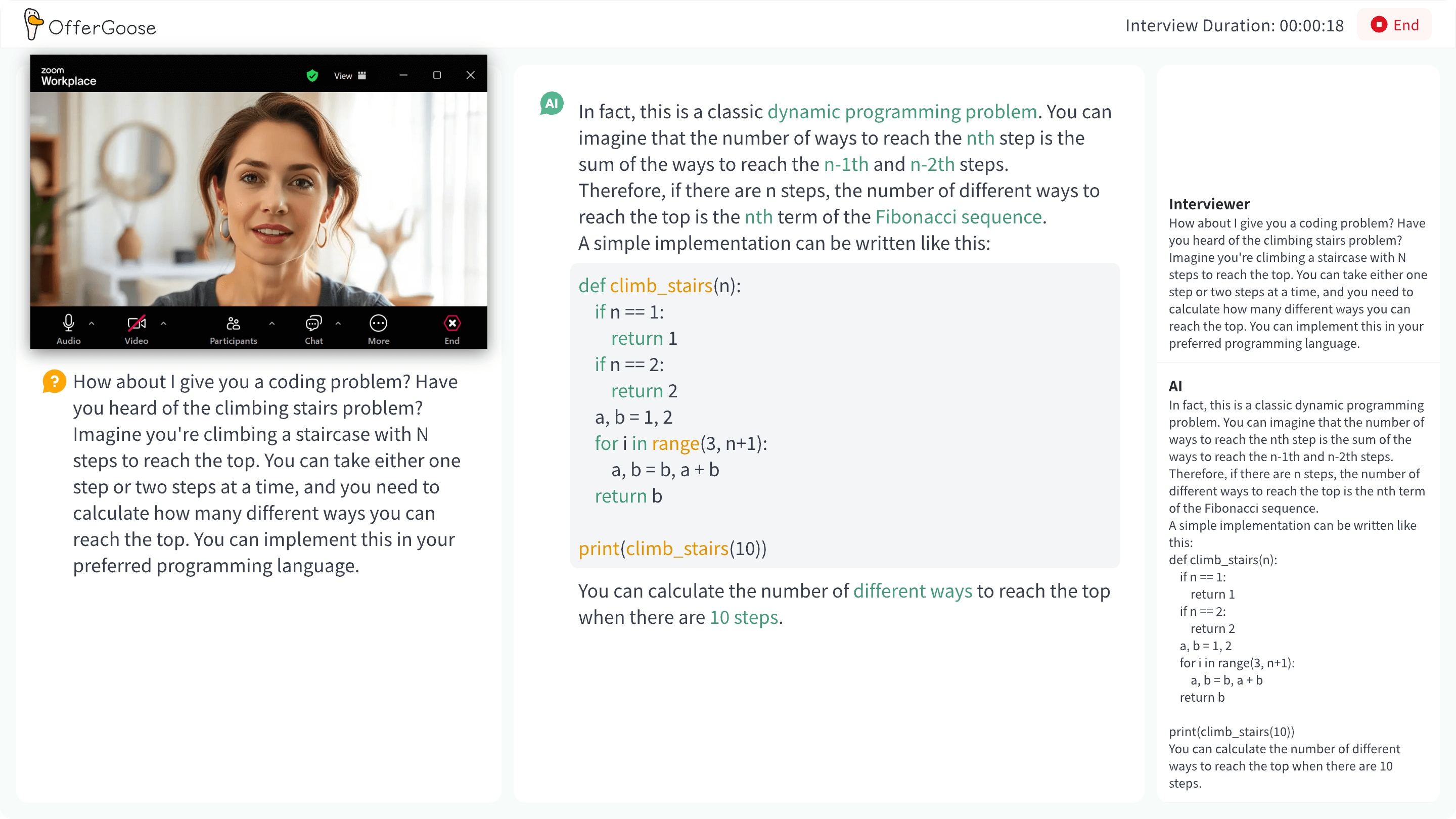
How to Break Through: Three Moves That Actually Work
Move 1: Distribute your effort instead of going all-in on one channel
Most of the anxiety in a tough market comes from putting every bet on the most crowded channel. A more practical approach is to split your time: some applications to the competitive, high-profile employers, most of your energy on mid-size companies and less-hyped industries that still hire, and a small reserve for safety roles. Many mid-size firms offer strong stability and faster growth than the brand names, with far less competition.
Move 2: Make your resume a JD match, not a biography
The single most common reason a new graduate resume gets filtered out is that it reads as a list of activities rather than as evidence of fit. When you paste your resume and the job description into OfferGoose, it highlights where your wording misses the job’s keywords and suggests how to rewrite each bullet so it speaks the employer’s language.
Move 3: Treat “AI fluency” as a skill, not a buzzword
Employers are not asking whether you have used AI; they are asking whether you can use it to get work done. Showing that you used a LLM (Large Language Model) to analyze survey responses, an AI tool to draft and edit content, or a NLP (Natural Language Processing) approach to organize customer feedback is now a genuine differentiator for non-technical roles too. Put it in your resume as a specific, not as a vague “familiar with AI.”
A Realistic Path for an Uncertain Market
The entry-level market is harder than it was, but the people who land roles are not the ones who sent the most applications. They are the ones who treated job search itself as a skill: they researched the role, matched their experience to it, practiced the interview, and reviewed what went wrong.
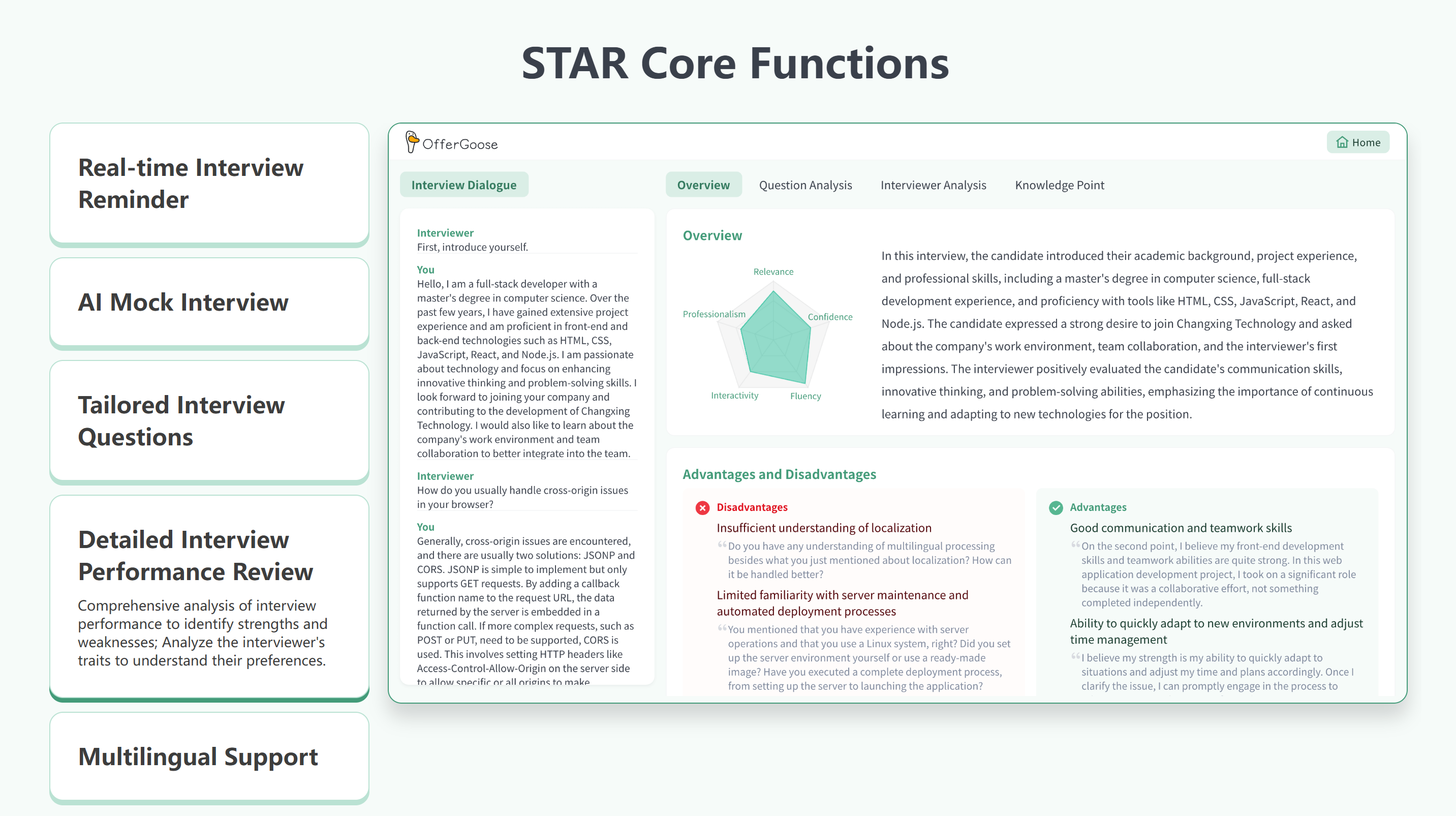
If you do not get an offer in the first wave, do not wait for the next cycle. There are still later hiring rounds and backfill openings, and those are often less crowded than the main season. Use the time to run a few mock interviews with OfferGoose and tighten the weakest part of your story.
The point is not to apply to more jobs. The point is to make each application a better fit. You can start that today at OfferGoose and see how it turns your experience into an application that actually matches the role.
FAQ
General Questions
Is the graduate job market really shrinking, or is it just my industry?
It is uneven. The clearest contraction is in entry-level roles that AI can partially automate, such as basic admin, operations, and junior content. But fields like engineering, energy, and advanced manufacturing are still hiring. The more accurate framing is “uneven and skill-biased,” not “everything is frozen.”
Do I need a master’s degree to be competitive?
Not necessarily. A master’s degree is increasingly common, which makes it a weaker differentiator on its own. Employers are placing more weight on demonstrated skill and concrete, quantifiable evidence of what you have done. A strong project with real results can outweigh a generic advanced degree.
Why does my resume keep getting rejected before an interview?
In most cases, it is the ATS doing the first pass. If your resume does not contain the keywords from the job description, the system will not surface it to a human. The fix is to align your resume language with the specific role before you apply, not to send the same resume everywhere.
Is it too late to start preparing for graduate roles now?
No. Hiring does not stop after the first wave. Follow-up rounds and backfill openings continue, and they are often less crowded than the initial cycle. What you should not do is wait for the next season; use the current window to improve your resume and practice your interviews.
Questions About OfferGoose
What does OfferGoose actually do for a new graduate?
OfferGoose is an AI job search assistant. It helps you match your resume to a job description, rewrite your experience into quantified, role-specific bullet points, and practice with mock interviews that give you structured feedback. It is designed to turn your real experience into the language of the job, not to invent experience you do not have.
Is OfferGoose only for technical roles?
No. While it has strong support for technical and coding interviews, the resume matching and mock interview features work for any role. Non-technical candidates benefit most from the JD matching and the “AI fluency” framing, which helps you show how you use AI to get work done.
How is OfferGoose different from just using a chatbot?
OfferGoose is built around the job search workflow rather than general conversation. It parses the job description, asks you follow-up questions to surface the experience you forgot to mention, and structures the output into a resume or an interview answer with a clear STAR (Situation-Task-Action-Result) structure. It is a focused copilot, not a general assistant. You can try it at OfferGoose and see the difference for yourself.