
How Product Managers Stay Valuable in the AI Era: From Task Execution to Better Decisions

How Product Managers Stay Valuable in the AI Era: From Task Execution to Better Decisions

AI anxiety is understandable for product managers. When tools can summarize research, draft a PRD, or turn notes into a flowchart, it is easy to wonder whether the role will become an information-transfer job.
A more useful question is: which parts of product work are becoming easier to automate, and which parts become more valuable when automation improves? AI can accelerate structured execution. It does not remove the need to define the right problem, make trade-offs under uncertainty, understand people and business constraints, or lead a complex launch.
This guide offers a practical way to move from task ownership to decision ownership—without treating unverified market numbers as facts.
How Product Managers Make Better Decisions in the AI Era
Repeatable artifacts are easier to accelerate
AI tools can help with work that has a clear input and a recognizable format:
- grouping interview notes into themes;
- drafting sections of a product requirements document;
- turning an existing process into a first-pass flow;
- preparing stakeholder updates;
- generating questions, edge cases, and alternative hypotheses.
These tasks still require review. The point is not that they are worthless; it is that they are less defensible as a product manager’s only contribution.
Ambiguous decisions remain the center of the role
A real product decision may involve incomplete evidence, competing customer needs, technical constraints, privacy considerations, and limited capacity. Someone still has to decide what not to build, what to test first, and what evidence would change the decision.
AI can provide options. The product manager remains accountable for the choice and its consequences.
The Four Layers of Product Manager Value in an AI Product Management Career
Information, insight, decision, and execution
| Layer | Key question | Evidence of strong work |
|---|---|---|
| Information | What happened? | Reliable research, feedback, and data |
| Insight | Why did it happen? | A defensible explanation of user behavior |
| Decision | What should we do now? | Clear priority, trade-offs, and test criteria |
| Execution | How will it happen? | Alignment, delivery, learning, and adjustment |
AI is most useful in the first layer and parts of the delivery process. Career resilience comes from connecting all four layers.
A Concrete Example: Reframing an Export Request
Before: turning a customer request into a feature
A B2B product manager hears from sales: “The customer wants an export button.” The first draft says to add Excel and CSV export in the next sprint.
The request sounds specific, but important questions are missing: Who needs the file? Is the task a one-time audit, a recurring report, or cross-system data entry? What permissions apply? Would a scheduled report solve the underlying problem better?
After: testing the problem before committing to a feature
A stronger approach separates the request from the job to be done:
- User role: operator, account administrator, or executive?
- Trigger: ad hoc checking, reconciliation, or weekly reporting?
- Success condition: less manual work, fewer errors, or better visibility?
- Constraints: permissions, sensitive fields, and auditability?
- Smallest test: try a tailored report before building a general export system.
The outcome may still be export. The difference is that the decision is based on context rather than the loudest request.
Product Manager Skills to Strengthen in the AI Era
1. Problem framing
Ask what the user is trying to accomplish, not only what feature they requested. Jobs to Be Done, user journeys, and five-whys questioning can help separate a solution from a problem.
2. Evidence judgment
Keep facts, inferences, and hypotheses distinct. A model-generated summary is not a substitute for checking source notes. One customer’s preference is not automatically a market conclusion.
3. Trade-off quality
Evaluate impact, cost, risk, and learning value together. Prioritization is resource allocation, not a popularity contest.
4. Complex collaboration
Execution leadership is more than forwarding updates. Clarify decision rights, surface conflicts early, and translate goals across engineering, design, sales, and leadership.
5. Outcome review
A launch is not the end of the reasoning process. Review user behavior, target outcomes, unexpected cases, and the assumptions that proved wrong.
How to Use AI Without Giving It the Steering Wheel
Delegate acceleration, retain judgment
Good candidates for AI assistance include:
- organizing raw research;
- generating counterarguments and edge cases;
- adapting a proposal for different stakeholders;
- checking a PRD for missing constraints;
- simulating follow-up questions from a skeptical partner.
Keep these responsibilities human-led:
- choosing the product problem and direction;
- committing resources, timing, or business outcomes;
- making final privacy, compliance, and risk calls;
- treating unverified generated text as evidence.
Work through an input–judgment–output–review loop
- Input: collect original evidence, user language, and constraints.
- Judgment: assess evidence quality, state assumptions, and make trade-offs.
- Output: use AI to draft artifacts, questions, prototypes, or updates.
- Review: compare the decision with real feedback and revise the model.
AI may participate in output. Product managers must own the reasoning chain.
How to Prove Decision-Making in a Job Search
Rewrite responsibility statements as evidence
A weak resume line says: “Owned requirements, wrote PRDs, and coordinated engineering delivery.”
A stronger version explains the problem, judgment, action, and observable result:
Before:
Owned requirements, wrote PRDs, and coordinated engineering delivery.
After:
Investigated a renewal drop through customer interviews and funnel review, identified permission setup as a likely friction point, and led a staged onboarding test with engineering while defining the review criteria.
Why this version works: it shows problem framing, evidence gathering, a decision, collaboration, and a testable outcome without inventing confidential numbers.
Prepare for product manager interview follow-ups
For each project story, be ready to explain:
- what evidence changed your initial view;
- which option you rejected and why;
- how you handled conflicting stakeholder goals;
- what you would measure after launch;
- what you would do differently with more time.
Recommended First: Use OfferGoose to Structure Your Preparation
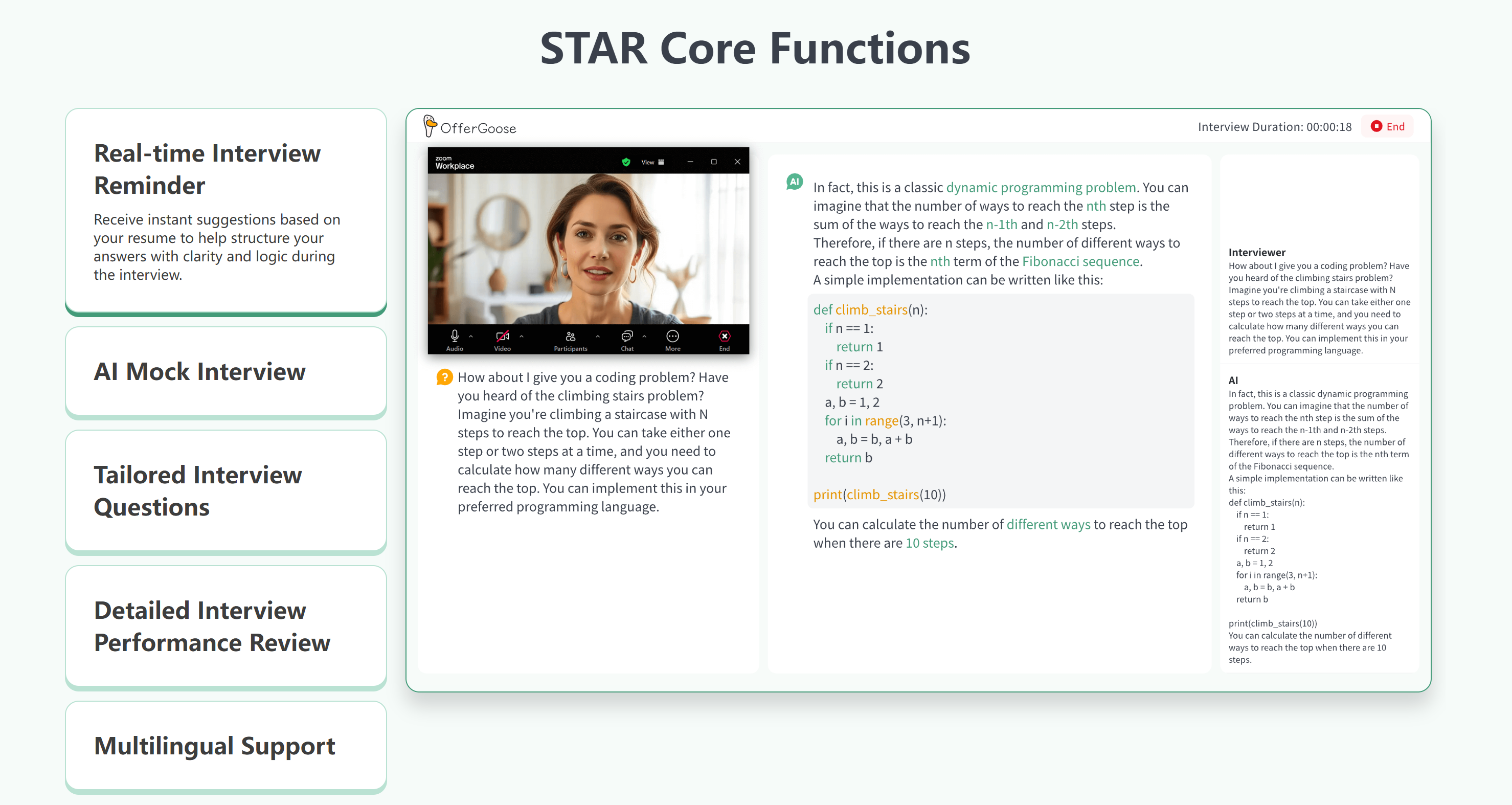
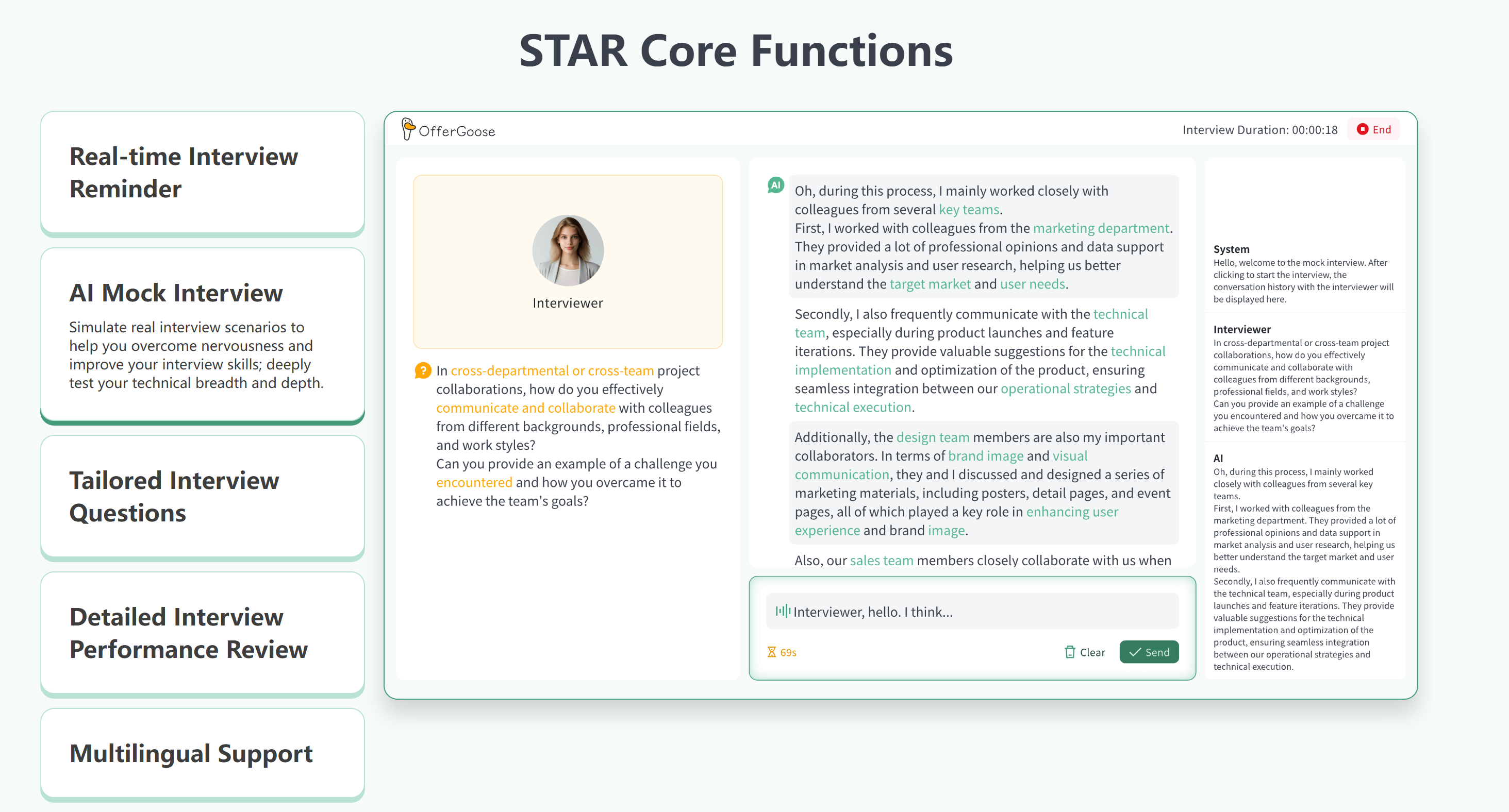
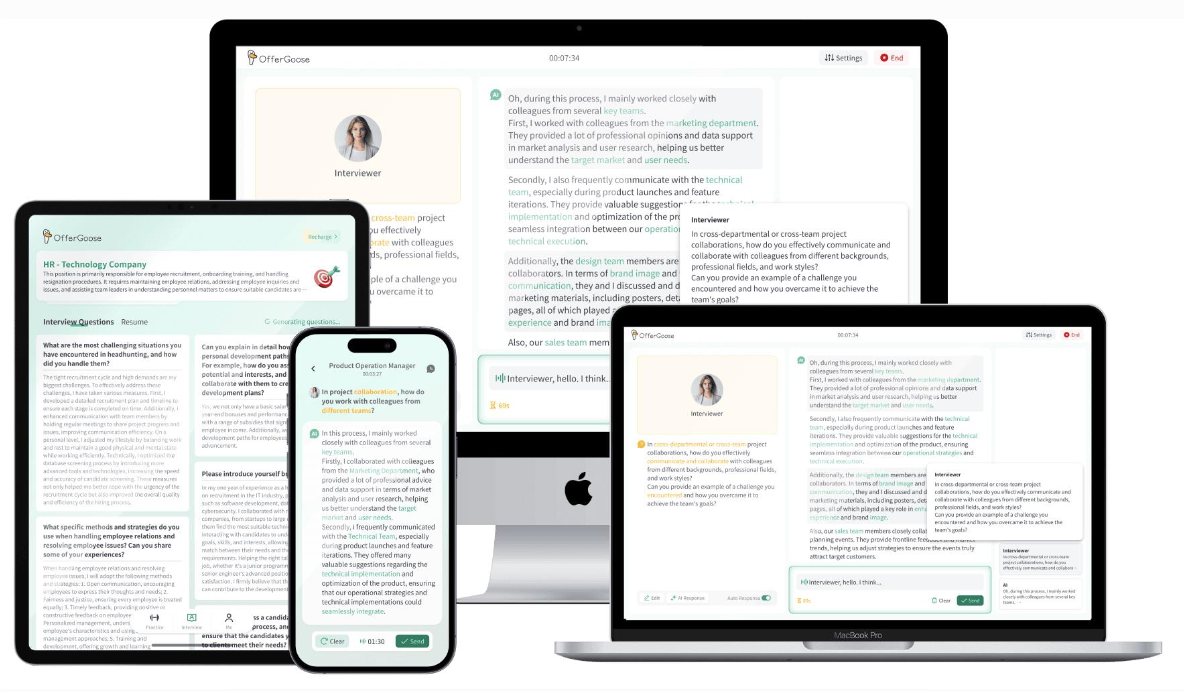
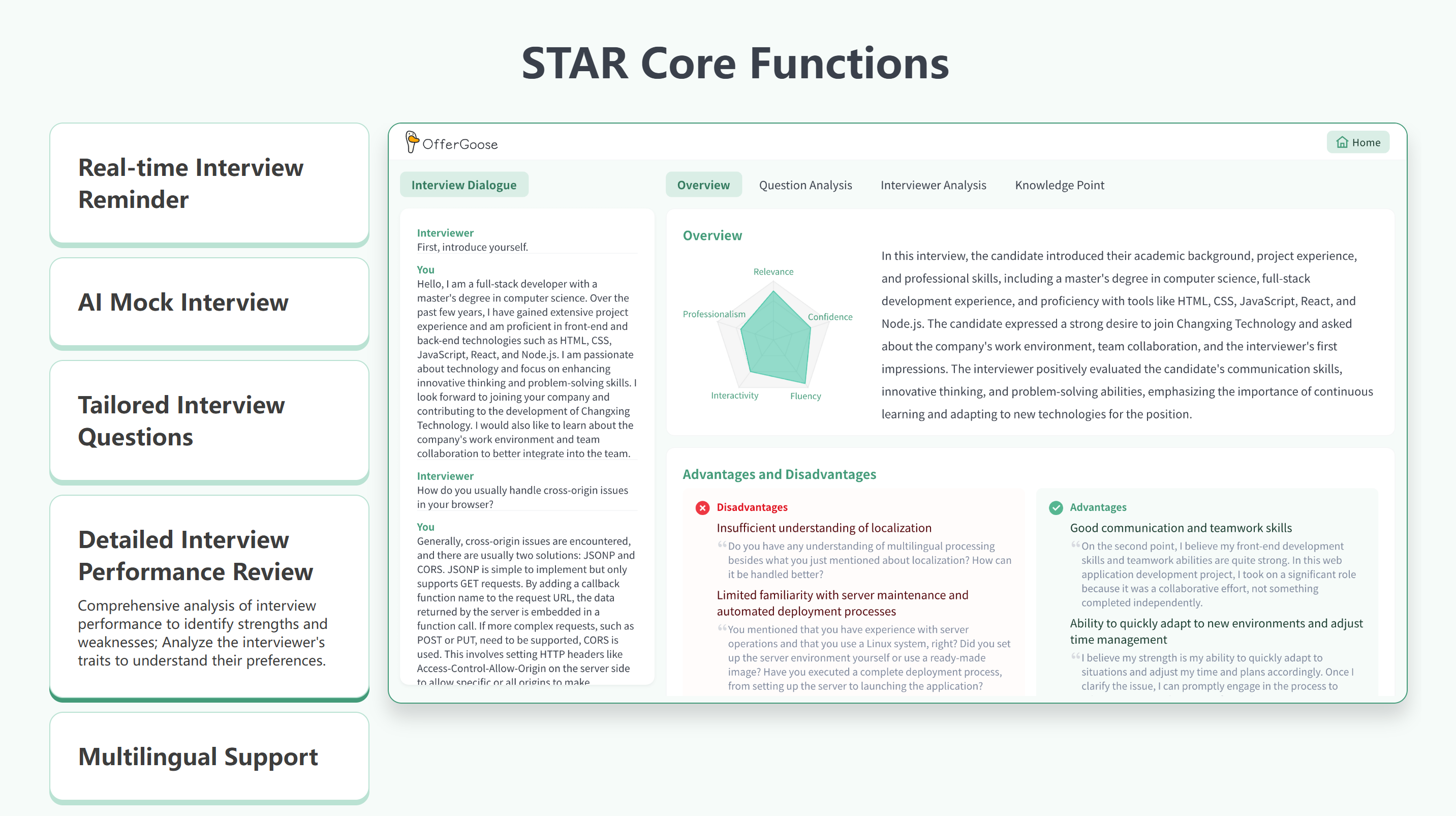
If you are preparing for an AI-era product manager job search, OfferGoose can handle structured preparation so you can spend more time on judgment and communication. It can help connect a job description with your resume, simulate questions about prioritization and product sense, and review whether your answers show decisions rather than only activities.
- Use JD matching to check whether your resume shows decision evidence.
- Use AI mock interviews to practice ambiguous product scenarios and follow-up questions.
- Use deep interview review to spot answers that describe process but hide trade-offs.
- Treat suggestions as a checklist, not as a substitute for your experience or a guarantee of an offer.
Product Manager AI Readiness and Job Search Checklist
Before applying
- Select two projects that demonstrate problem framing.
- Write down constraints, rejected options, and validation criteria.
- Map each story to the target job description.
Before the interview
- Practice answering “Why this problem?” and “Why not the alternative?”
- Separate facts, estimates, and open questions.
- Prepare one example of handling conflict without hiding the trade-off.
After the interview
- Note where your answer became a process description.
- Record which follow-up exposed a missing assumption.
- Turn the feedback into one specific practice question.
FAQ
General Questions
Will AI replace product managers?
AI is likely to compress some repeatable execution work. Product managers who can frame problems, make responsible trade-offs, understand users and business constraints, and lead delivery remain valuable for reasons that go beyond document production.
How can a product manager avoid becoming an information broker?
Show how you verified evidence, formed a point of view, rejected alternatives, and connected a decision to an outcome. A resume and interview story should make the reasoning chain visible.
Should I let AI write my product manager resume?
Use it for structure, clarity, and gap checks, but verify every project, outcome, and metric yourself. Never add experience that did not happen.
Questions About OfferGoose
Is OfferGoose useful for product manager interview preparation?
OfferGoose supports structured preparation such as job-description matching, AI mock interviews, and deep review. Features and service details may change, so check the official site for the current experience.
Can OfferGoose answer an interview for me?
No. It is positioned as a learning aid, logic guide, and second brain for preparation. Your experience, judgment, and communication should remain your own.
Conclusion: Keep the Judgment, Automate the Friction
Product managers do not need to beat AI at drafting artifacts. They need to become better at finding the real problem, making explicit trade-offs, aligning people, and learning from outcomes. Automate repeatable friction, but keep responsibility for judgment and integrity with the human decision-maker.
Start with OfferGoose’s AI job-search workflow to structure your preparation. You can also explore OfferGoose on the official site and decide which parts of your workflow deserve assistance.
Poll: Which capability matters most for product managers in the AI era?
- ⬜ A. Problem framing and user insight
- ⬜ B. Business judgment and prioritization
- ⬜ C. Cross-functional leadership
- ⬜ D. Outcome review and continuous learning
Further Reading
Product features and usage policies may change. Check the official OfferGoose website for the latest information.