/images/favicon.png

5 First-Interview Mistakes New Graduates Make and How to Fix Them

5 First-Interview Mistakes New Graduates Make and How to Fix Them

featured-image.en.jpg

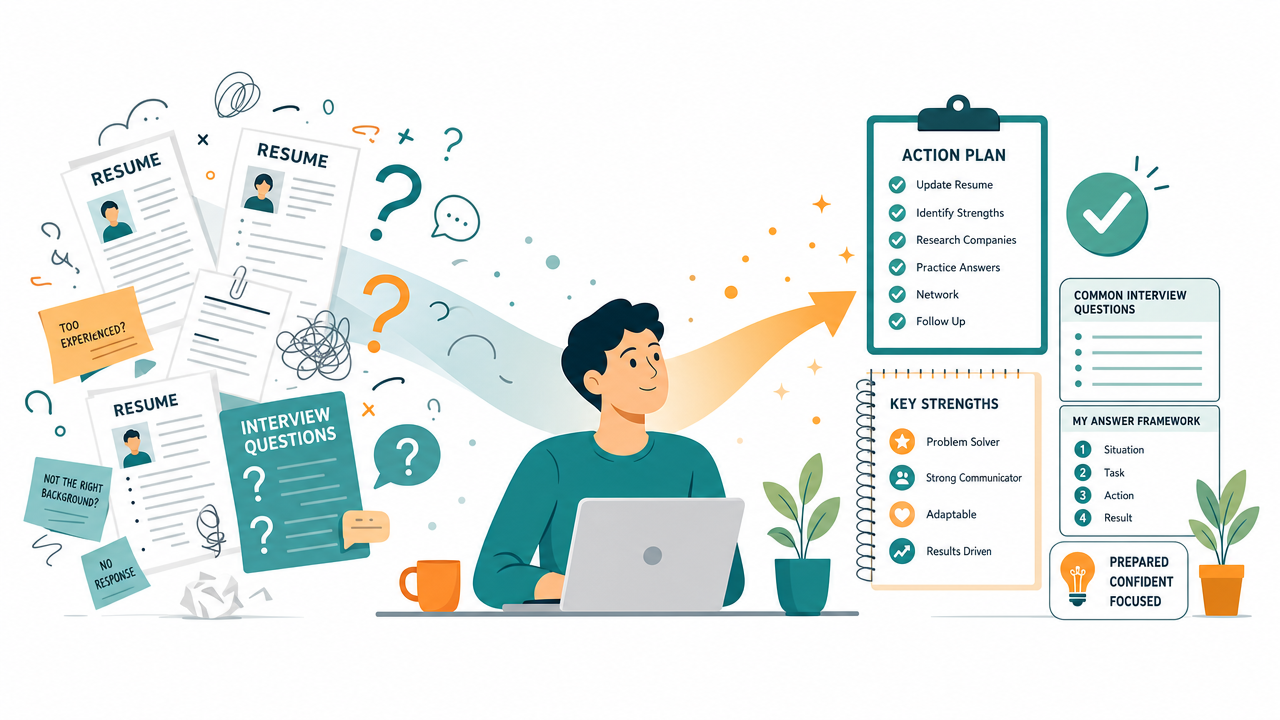
Your first professional interview can feel strangely high stakes. You may have a resume, a few projects, and a real interest in the role, but the moment a recruiter asks a follow-up question, your answer can become too broad, too student-like, or too disconnected from the job.

The real issue is not that new graduates lack potential. The issue is that many entry-level candidates have not yet turned school, internship, club, or project experience into a clear evidence chain that a hiring manager can evaluate.

A Multilingual Interview Checklist for English, Japanese, and Korean Interviews

A Multilingual Interview Checklist for English, Japanese, and Korean Interviews

Speaking multiple languages does not automatically mean you are ready for multilingual interviews. Different languages have different norms, but the core task is the same: prove job fit.

Foreign-language interviews are not only about vocabulary, grammar, or accent. They test whether you can understand the question, select the right real experience, and explain it in a way the interviewer can evaluate.

English Interview Preparation for New Graduates: Turn Campus Experience into Job Evidence

English Interview Preparation for New Graduates: Turn Campus Experience into Job Evidence

New graduates often say, “I do not have enough experience for an English interview.” In reality, many have experience that has not been shaped into job evidence.

Foreign-language interviews are not only about vocabulary, grammar, or accent. They test whether you can understand the question, select the right real experience, and explain it in a way the interviewer can evaluate.

First English-Language Interview: Turn Student Experience into Business-Relevant Answers

First English-Language Interview: Turn Student Experience into Business-Relevant Answers

featured-image.en.jpg

Your first professional interview can feel strangely high stakes. You may have a resume, a few projects, and a real interest in the role, but the moment a recruiter asks a follow-up question, your answer can become too broad, too student-like, or too disconnected from the job.

The real issue is not that new graduates lack potential. The issue is that many entry-level candidates have not yet turned school, internship, club, or project experience into a clear evidence chain that a hiring manager can evaluate.

First Job Interview for New Graduates: Build an Answer System Instead of Memorizing Scripts

First Job Interview for New Graduates: Build an Answer System Instead of Memorizing Scripts

featured-image.en.jpg

Your first professional interview can feel strangely high stakes. You may have a resume, a few projects, and a real interest in the role, but the moment a recruiter asks a follow-up question, your answer can become too broad, too student-like, or too disconnected from the job.

Foreign-Language Interview Tips for Career Changers Entering Global Roles

Foreign-Language Interview Tips for Career Changers Entering Global Roles

Career changers often have useful experience, but in a foreign-language interview they may sound like beginners because they cannot connect past work to the new global role.

Foreign-language interviews are not only about vocabulary, grammar, or accent. They test whether you can understand the question, select the right real experience, and explain it in a way the interviewer can evaluate.

Reframe the Problem: The task is not to apologize for changing careers. The task is to translate previous experience into transferable evidence.

Many candidates prepare by translating resume bullets or memorizing a self-introduction. That creates answers that may be correct in language but weak in strategy. A hiring manager is not only checking whether you can speak. They are checking whether your experience fits the role.